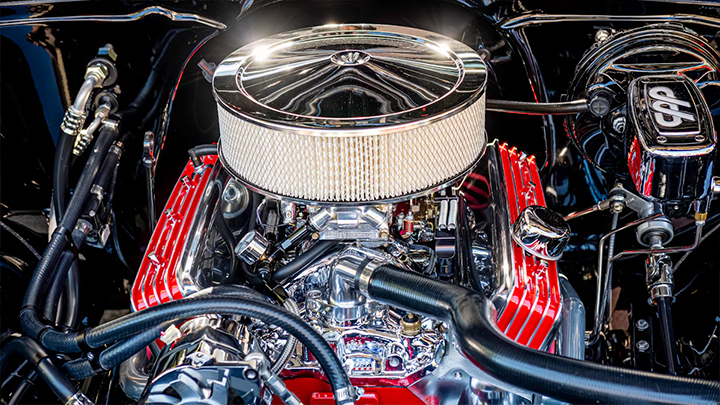
When people think about essential engine components, they usually picture pistons, crankshafts, or spark plugs. But one part that rarely gets attention—yet plays a crucial protective role—is the timing cover. Without it, your engine’s most precisely synchronized parts would be exposed to dirt, debris, and oil loss.
Let’s break down what a timing cover is, what it does, and why it’s so critical to your engine’s health.
What Is a Timing Cover?
A timing cover is a protective casing located at the front of your engine. It encloses the timing chain, timing belt, and timing gears, which control the synchronization between the crankshaft and camshaft(s).
In simple terms:
- The crankshaft controls piston movement.
- The camshaft controls valve opening and closing.
- The timing chain or belt keeps them perfectly synchronized.
- The timing cover protects that entire system.
Timing covers are typically made from:
- Aluminum (common in modern engines)
- Stamped steel (older engines)
- Reinforced plastic (some newer models)
What Does a Timing Cover Do?
Although it looks like a simple cover, it performs several critical functions:
1. Protects the Timing Components
The timing chain or belt must remain clean and properly lubricated. The timing cover shields these components from:
- Dirt and road debris
- Moisture
- Foreign objects
Contamination can cause premature wear or catastrophic failure.
2. Seals Engine Oil Inside
Most timing chains run in engine oil. The timing cover works with a gasket and seals to:
- Keep oil contained
- Maintain proper oil pressure
- Prevent leaks
A failed timing cover gasket can lead to oil leaks that may damage other engine components.
3. Maintains Structural Integrity
In many engines, the timing cover contributes to overall engine rigidity and alignment. Improper installation or warping can affect component alignment and performance.
Why Is the Timing Cover Critical?
The timing system controls your engine’s internal rhythm. If that rhythm is off—even slightly—serious engine damage can occur.
Here’s why the timing cover matters:
🔧 Prevents Costly Timing Failure
If debris enters the timing assembly or oil leaks reduce lubrication, the timing chain or belt can:
- Stretch
- Skip teeth
- Break entirely
In interference engines, this can result in bent valves, piston damage, and complete engine failure.
💧 Stops Oil Leaks Before They Escalate
A small timing cover gasket leak may seem minor at first. But over time it can:
- Reduce oil levels
- Cause overheating
- Damage seals and belts
- Create fire hazards if oil contacts hot components
⚙️ Ensures Proper Engine Performance
Poor sealing or structural damage can affect timing accuracy, leading to:
- Rough idling
- Misfires
- Decreased fuel efficiency
- Engine warning lights
Signs of a Failing Timing Cover
Timing covers themselves don’t usually “wear out,” but their gaskets and seals do. Watch for:
- Oil leaking from the front center of the engine
- Burning oil smell
- Low oil levels
- Visible cracks in the cover
- Engine noise from the timing area
If ignored, minor issues can quickly become major repairs.
Timing Cover vs. Valve Cover: What’s the Difference?
Many drivers confuse these two parts.
- Timing Cover: Located at the front of the engine; protects timing components.
- Valve Cover: Located on top of the engine; protects valvetrain components.
Both seal oil inside the engine, but they protect different systems.
How Much Does Timing Cover Repair Cost?
Costs vary depending on the vehicle and engine layout. Because the timing cover sits behind several components (like pulleys, belts, and sometimes the harmonic balancer), labor can be intensive.
Typical repair ranges:
- Gasket replacement: Moderate cost
- Full timing cover replacement: Higher cost due to labor
- Combined timing chain service: More expensive but often done together
Addressing leaks early can save thousands in potential engine damage.
Can You Drive with a Leaking Timing Cover?
Technically, yes—but it’s risky.
Small leaks can become large ones quickly. Loss of oil pressure or contamination of the timing system can result in severe engine damage. If you notice oil near the front of your engine, it’s best to have it inspected promptly.
Final Thoughts
The timing cover may not be glamorous, but it’s one of the most important protective components in your engine. It:
- Shields critical timing parts
- Maintains oil containment
- Supports engine reliability
- Prevents catastrophic mechanical failure
Ignoring timing cover issues can turn a minor gasket repair into a full engine rebuild. Regular inspections and quick action at the first sign of a leak can keep your engine running smoothly for years.