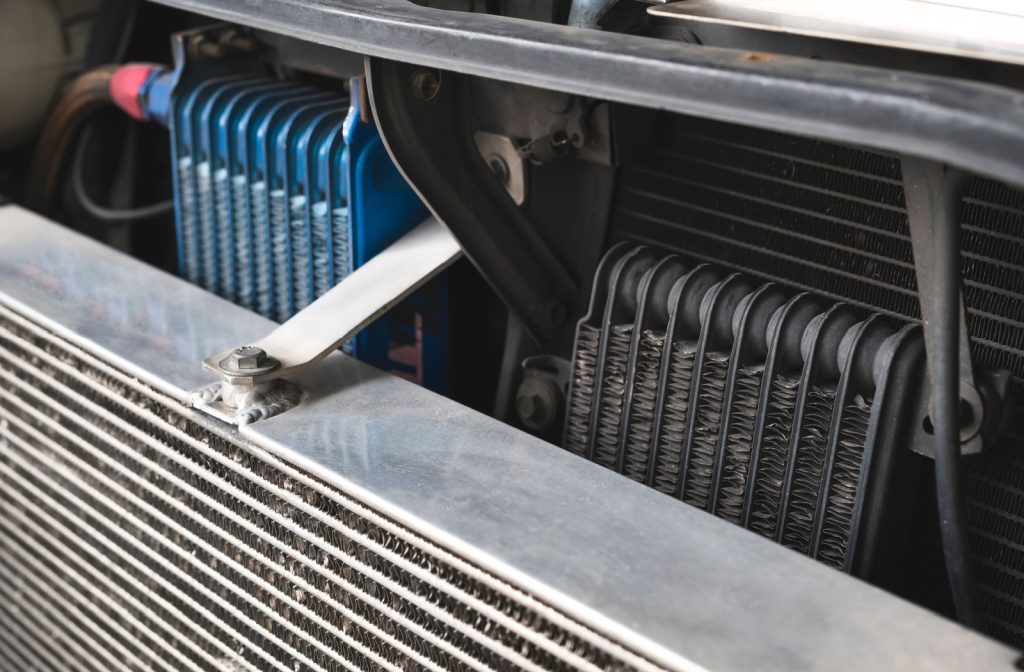
If you’ve ever heard someone mention an oil cooler and wondered whether it’s a performance gimmick or an actual necessity, you’re not alone. Oil coolers sound technical, but what they do is surprisingly simple—and important for certain types of driving. How Mobile Water Coolers Are Changing Road Trips
Let’s break it down in plain language.
First: Why Engine Oil Temperature Matters
Engine oil does more than just lubricate moving parts. It also:
- Reduces friction
- Prevents metal-to-metal contact
- Helps clean the engine
- Carries heat away from critical components
As your engine runs, oil absorbs heat. That’s normal. But if oil gets too hot, it starts to lose its ability to protect the engine properly. When that happens, wear increases, performance drops, and long-term damage becomes more likely.
This is where oil coolers come in.
So, What Does an Oil Cooler Actually Do?
An oil cooler’s job is to keep engine oil from overheating.
It does this by taking hot oil out of the engine, passing it through a cooling device, and then sending the cooled oil back into circulation. Think of it like a mini radiator—but for oil instead of coolant.
By controlling oil temperature, the oil cooler helps the engine operate within a safe and efficient range.
How an Oil Cooler Works (No Engineering Degree Required)
Most oil coolers work in one of two ways:
- Air-to-oil coolers: Oil flows through small tubes or fins that are exposed to airflow, usually at the front of the car. Moving air cools the oil as you drive.
- Water-to-oil coolers: Oil transfers heat to engine coolant, which then releases that heat through the main radiator.
In both cases, the goal is the same: remove excess heat from the oil before it causes problems.
Why Overheated Oil Is a Problem
When oil gets too hot, several bad things can happen:
- It thins out and loses viscosity
- It breaks down faster and needs changing sooner
- It protects engine parts less effectively
- It increases internal engine wear
Over time, consistently high oil temperatures can shorten engine life—even if everything else seems fine.
Do All Cars Have Oil Coolers?
No. Many everyday passenger cars don’t need a dedicated oil cooler.
Most standard vehicles rely on:
- Engine design
- Normal airflow
- The oil pan and engine block
- Regular coolant systems
That’s usually enough for normal commuting and light driving.
Oil coolers are more common in:
- Performance and sports cars
- Trucks and SUVs designed for towing
- Turbocharged engines
- Vehicles used in hot climates
- Cars driven aggressively or on race tracks
When an Oil Cooler Becomes Important
An oil cooler becomes especially useful when an engine is under extra stress, such as:
- Towing heavy loads
- Driving long distances at high speeds
- Track days or racing
- Off-roading or overlanding
- High ambient temperatures
In these situations, oil temperatures can rise faster than the engine can safely handle on its own.
Does an Oil Cooler Improve Performance?
Indirectly—yes.
An oil cooler doesn’t add horsepower, but by keeping oil temperatures stable, it allows the engine to maintain consistent performance. Engines that overheat often reduce power to protect themselves. Cooler oil helps prevent that.
More importantly, it protects engine components so performance doesn’t degrade over time.
Is an Oil Cooler Always a Good Idea?
Not necessarily.
Adding an oil cooler when one isn’t needed can:
- Increase complexity
- Add potential leak points
- Prevent oil from warming up properly in cold conditions
That’s why manufacturers only include them when the engine and intended use truly benefit from one.
The Simple Takeaway
At its core, an oil cooler does one essential thing:
It keeps engine oil at a safe temperature so your engine stays protected under demanding conditions.
If you drive normally, you may never need to think about one. But if your vehicle works hard—towing, racing, hauling, or enduring extreme heat—an oil cooler can be a quiet, behind-the-scenes hero for engine longevity. How Mobile Water Coolers Are Changing Road Trips