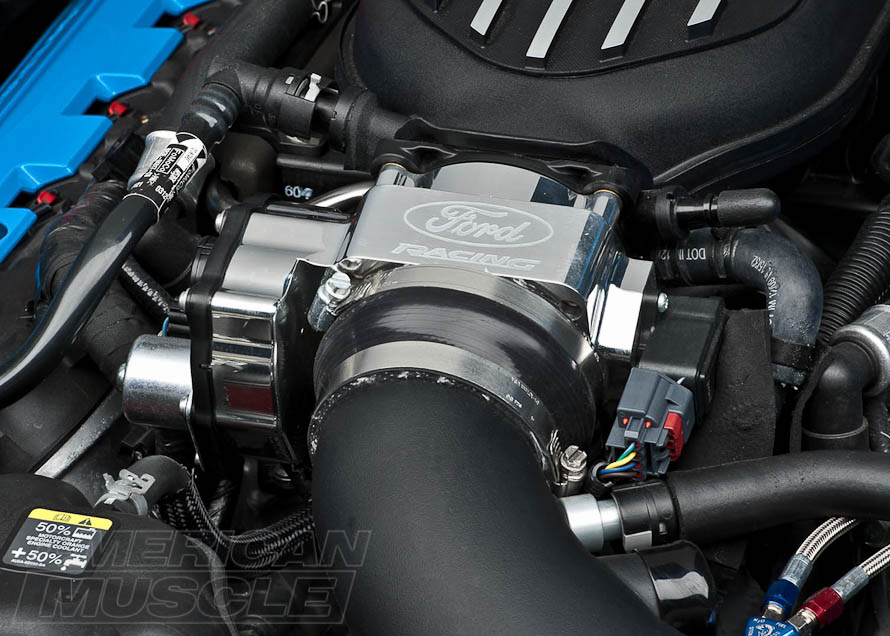
If you’re looking to squeeze every last drop of performance from your engine, upgrading your throttle body is one of the most effective modifications you can make. The throttle body, often overlooked, plays a critical role in how much air enters your engine—directly affecting horsepower, torque, and throttle response. In this article, we’ll break down why throttle body upgrades matter, how they improve performance, and what you should consider before making the switch.
What Is a Throttle Body?
The throttle body is a valve that controls the airflow into your engine’s intake manifold. In modern cars, it works electronically with your car’s ECU (Electronic Control Unit), adjusting the airflow based on your accelerator pedal input. Think of it as the gatekeeper for air—the more efficiently it lets air in, the better your engine can perform.
A stock throttle body is often designed for fuel economy and reliability, not maximum power. That means upgrading to a larger or high-performance throttle body can allow your engine to breathe more freely, especially when paired with other performance mods like an intake, exhaust, or tuning.
How a Throttle Body Upgrade Boosts Horsepower
- Increased Airflow:
A larger throttle body allows more air to flow into the engine. More air means the engine can burn more fuel efficiently, producing more power. - Improved Throttle Response:
Many enthusiasts notice that a performance throttle body makes the car feel more responsive. The engine reacts faster to your foot because the airflow isn’t as restricted. - Better Efficiency at High RPMs:
Stock throttle bodies may become a bottleneck at high engine speeds. An upgraded throttle body keeps airflow steady, allowing your engine to maintain peak performance without suffocating. - Synergy With Other Mods:
Upgrading the throttle body is even more effective when combined with a cold air intake, high-flow exhaust, and ECU tuning. Each of these mods complements the others, maximizing horsepower gains.
Choosing the Right Throttle Body
When selecting a throttle body, consider these factors:
- Diameter: Larger diameters generally allow more airflow, but going too big can cause drivability issues at low RPMs. Most enthusiasts stay within a moderate increase to balance performance and smooth operation.
- Material & Construction: High-quality aluminum or billet throttle bodies are lighter and more durable than stock units.
- Compatibility: Make sure the throttle body is compatible with your vehicle’s ECU and throttle-by-wire system if applicable.
- Brand Reputation: Popular brands like BBK, K&N, and Airaid offer reliable performance options backed by testing.
Installation Tips
While throttle body installation isn’t overly complicated, a few key tips will help:
- Clean the Intake Manifold: Before installing, clean the mating surface and manifold to ensure proper airflow and sensor accuracy.
- Check the Sensors: Ensure the TPS (Throttle Position Sensor) and IAC (Idle Air Control) sensors are properly connected.
- Tuning May Be Required: Some cars may need ECU tuning after a throttle body upgrade to optimize fuel delivery and avoid error codes.
Realistic Expectations
A throttle body upgrade alone typically adds 5–15 horsepower on most naturally aspirated engines. That might not sound huge, but when paired with other performance mods and proper tuning, it can contribute to a noticeable overall improvement. More importantly, the throttle response and engine “breathability” feel significant, even if peak numbers are modest.
Conclusion
Upgrading your throttle body is a relatively simple yet highly effective way to increase horsepower, improve throttle response, and unlock your engine’s potential. Whether you’re a weekend tuner or a serious performance enthusiast, a high-performance throttle body is a smart investment that pays off in drivability and fun. Just remember: pairing it with supporting mods and proper tuning ensures you get the maximum gains safely.