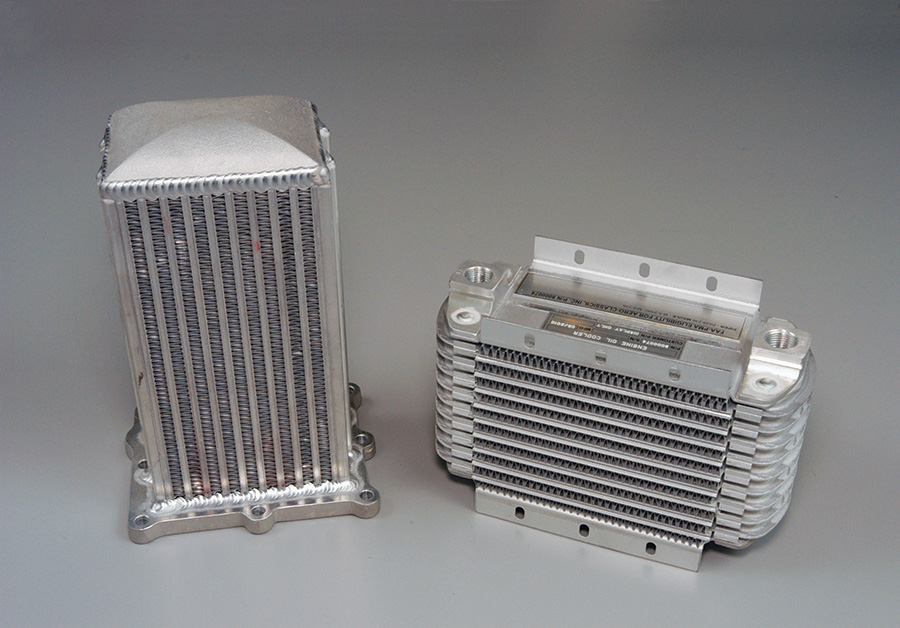
When it comes to keeping your engine healthy, most drivers think about oil changes and coolant first. But there’s another critical component that often flies under the radar: the oil cooler. Whether you’re a weekend driver, a performance enthusiast, or someone who regularly hauls heavy loads, understanding oil coolers can save your engine—and your wallet.
Let’s break it down in simple terms.
What Is an Oil Cooler?
An oil cooler is a device that helps regulate the temperature of your engine oil. Think of it like a radiator, but instead of cooling coolant, it cools the oil that lubricates your engine’s moving parts. By keeping oil within a safe temperature range, an oil cooler ensures your engine performs efficiently and lasts longer.
Why Oil Temperature Matters
Engine oil does more than lubricate: it reduces friction, helps carry heat away, and even cleans the engine by picking up small debris.
But here’s the catch: oil loses its effectiveness if it gets too hot. Hot oil thins out, breaks down faster, and doesn’t protect your engine like it should. That’s why controlling oil temperature is so important—especially for engines under stress.
How an Oil Cooler Works
Most oil coolers operate using one of two methods:
- Air-to-Oil Coolers
Hot oil flows through thin tubes or plates while air passes over the fins, carrying away heat. These are common in performance cars and trucks because they use natural airflow to help keep oil temperatures stable. - Water-to-Oil Coolers
Oil passes through a heat exchanger connected to the engine’s coolant system. Heat from the oil transfers to the coolant, which is then cooled by the radiator. This method is often used in heavy-duty or turbocharged engines where precise oil temperature control is critical.
When Does Your Engine Need an Oil Cooler?
Not every car needs one. Most modern vehicles are designed to handle normal driving without a dedicated oil cooler. However, oil coolers are highly beneficial in certain situations:
- High-performance engines: Turbocharged or tuned engines produce more heat.
- Towing and hauling: Trucks and SUVs under heavy load generate extra engine stress.
- Hot climates: Prolonged exposure to high temperatures can push oil beyond safe limits.
- Track or off-road use: Aggressive driving causes rapid spikes in oil temperature.
If you fall into any of these categories, an oil cooler acts as a safeguard, preventing overheating and premature engine wear.
Benefits of Using an Oil Cooler
Adding or maintaining an oil cooler offers multiple advantages:
- Protects engine components: Cooler oil maintains proper lubrication, reducing wear.
- Prevents oil breakdown: Stable temperatures extend oil life and change intervals.
- Improves performance consistency: Engines run smoother when oil is kept within ideal temperature ranges.
- Reduces the risk of overheating: Particularly important for heavy-duty or high-stress conditions.
In short, an oil cooler doesn’t make your car faster directly—it makes your engine safer and more reliable under demanding conditions.
Signs Your Engine Could Benefit from an Oil Cooler
Even if your car doesn’t come with a factory oil cooler, there are signs it might need one:
- Oil temperatures rise quickly on long drives or under load
- Oil darkens or burns faster than usual
- You tow heavy loads frequently
- You push your car hard on track days or spirited drives
Monitoring oil temperature is the best way to determine if your engine could benefit from additional cooling.
Maintaining Your Oil Cooler
Like any engine component, oil coolers need care:
- Check for leaks or damage
- Clean air-to-oil cooler fins regularly to maintain airflow
- Ensure proper installation and oil line routing if aftermarket
- Replace worn hoses and fittings to avoid oil loss
Proper maintenance keeps the cooler performing efficiently and protects your engine for the long term.
The Bottom Line
Oil coolers are unsung heroes of engine health. By regulating oil temperature, they:
- Keep engines properly lubricated
- Reduce wear and tear
- Extend oil and engine life
- Ensure consistent performance under stress
Whether you’re a daily driver, towing enthusiast, or performance car owner, understanding oil coolers is essential. Think of them as a safety net for your engine: invisible, but incredibly valuable when you need them most.