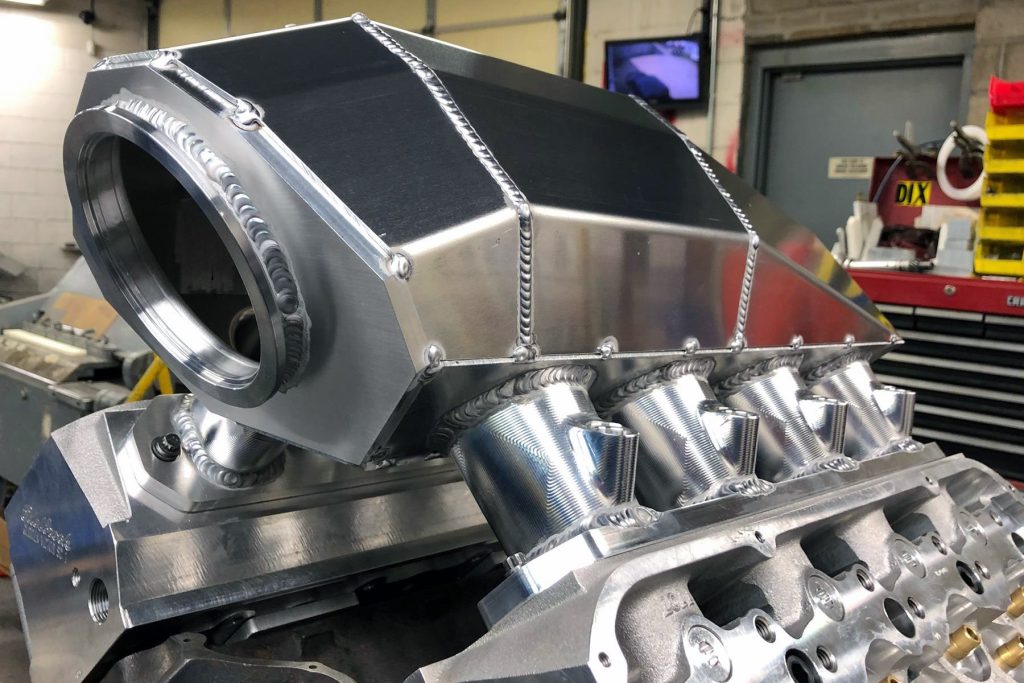
The intake manifold is a vital part of an engine’s air delivery system, influencing how efficiently air enters the cylinders for combustion. Two important design concepts in intake manifolds are the plenum and the runner. Understanding the differences between these designs can help car enthusiasts and everyday drivers appreciate how engines achieve optimal performance and efficiency.
What is an Intake Manifold?
Before diving into the designs, it’s important to understand the intake manifold’s role. The intake manifold distributes air (or the air-fuel mixture in carbureted engines) from the throttle body to the engine’s cylinders. Its design significantly affects airflow, engine power, torque, and fuel efficiency.
What is a Plenum in an Intake Manifold?
The plenum is a large chamber or reservoir in the intake manifold. It acts as a central “holding area” where air accumulates before being distributed to the individual cylinders through the runners. Think of the plenum as a waiting room where air gathers before being sent to each cylinder.
Purpose of the Plenum
- Air Reservoir: It provides a steady supply of air to the cylinders, helping maintain consistent pressure.
- Smooth Airflow: The plenum helps smooth out pulses of air coming from the throttle body, reducing turbulence.
- Improved Engine Response: A well-designed plenum can enhance throttle response and engine breathing at high RPMs.
What are Runners in an Intake Manifold?
Runners are the individual tubes that connect the plenum to each cylinder’s intake port. They guide air from the plenum directly into the combustion chamber.
Importance of Runner Length and Shape
- Runner Length: Longer runners tend to boost low to mid-range torque by increasing air velocity, improving cylinder filling at lower engine speeds.
- Runner Diameter: Narrow runners increase air velocity but may restrict airflow at high RPM, while wider runners support high airflow for peak power.
- Runner Shape: Curves and bends in runners can influence airflow turbulence and engine efficiency.
Plenum vs. Runner: How They Work Together
While the plenum acts as a centralized air reservoir, runners are responsible for delivering that air precisely to each cylinder. The size and shape of both components must be carefully balanced to optimize engine performance.
- Large Plenum + Short Runners: Typically found in high-performance engines, this setup supports high airflow volumes at high RPM, maximizing peak horsepower.
- Small Plenum + Long Runners: This design favors low-end torque and smooth power delivery, ideal for daily driving and fuel efficiency.
Variable Intake Manifolds: The Best of Both Worlds
Modern engines often use variable intake manifolds that can adjust runner length or plenum volume depending on engine speed. This technology allows the engine to optimize airflow for both low-end torque and high-end power, improving overall drivability and efficiency.
Why Intake Manifold Design Matters
Choosing the right intake manifold design impacts several aspects of engine performance:
- Power Delivery: Different designs affect whether an engine makes more torque at low RPMs or horsepower at high RPMs.
- Fuel Efficiency: Optimized airflow ensures better combustion and lower fuel consumption.
- Engine Smoothness: Balanced air distribution prevents misfires and rough idling.
Signs of Intake Manifold Issues
Regardless of design, intake manifolds can develop problems such as leaks, cracks, or carbon buildup, leading to symptoms like rough idling, reduced power, or the Check Engine Light. Regular inspection and maintenance are important for preserving manifold function.
Conclusion
Understanding the difference between the plenum and runner in intake manifold designs helps explain how engines balance power, torque, and efficiency. Whether your vehicle favors a large plenum with short runners for high RPM power or long runners with a small plenum for low-end torque, the intake manifold is key to delivering the right airflow to your engine. Advances like variable intake manifolds offer flexible solutions that adapt to driving conditions, providing the best of both worlds.