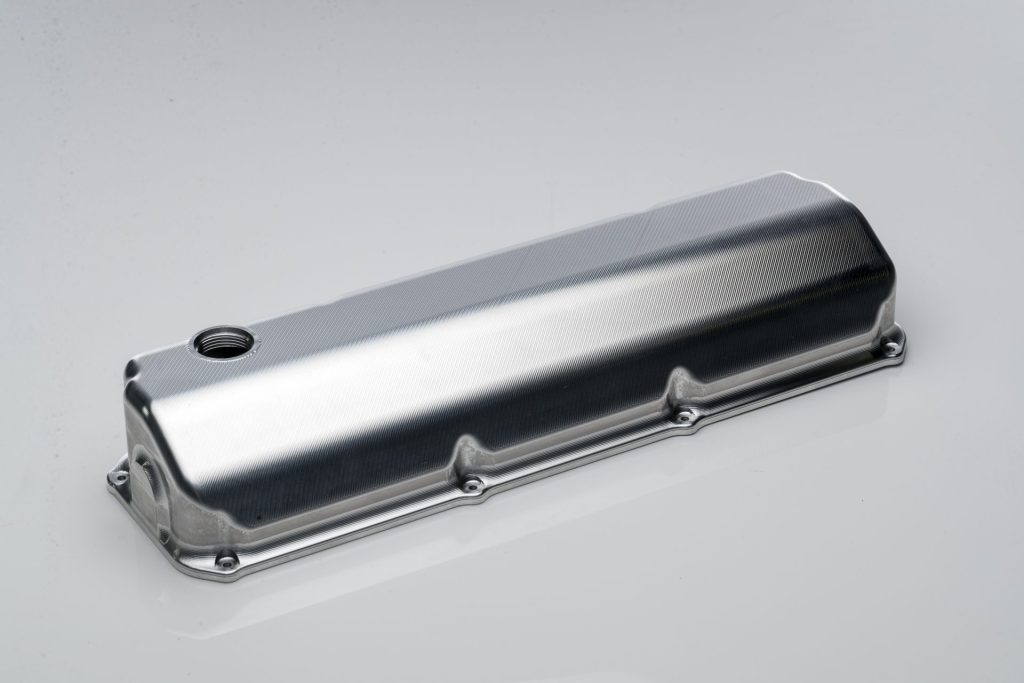
When it comes to customizing or upgrading your engine, valve covers are often one of the first components car enthusiasts consider. But not all valve covers are created equal. The material you choose affects durability, weight, heat management, and aesthetics. In this guide, we’ll break down the three most common valve cover materials—aluminum, steel, and carbon fiber—so you can make an informed decision for your ride.
1. Aluminum Valve Covers
Aluminum is one of the most popular valve cover materials, used widely in both classic and modern engines.
Pros:
- Lightweight: Reduces overall engine weight, beneficial for performance cars.
- Heat Dissipation: Aluminum conducts heat well, helping to cool the engine.
- Aesthetic Appeal: Can be polished for a shiny, high-end finish or anodized in various colors.
- Durable: Resistant to corrosion and warping under normal conditions.
Cons:
- Cost: More expensive than basic steel covers.
- Softness: Can be scratched more easily than steel.
Best For: Performance builds, custom engine bays, and show cars.
2. Steel Valve Covers
Steel valve covers are often used in older cars and budget-conscious builds. They provide strength and durability but differ in weight and appearance from aluminum.
Pros:
- Strong and Durable: Resistant to dents and warping.
- Cost-Effective: Typically less expensive than aluminum or carbon fiber.
- Easily Painted: Can be coated to match your engine bay’s color scheme.
Cons:
- Heavier: Adds weight to the engine, which may slightly affect performance.
- Corrosion Risk: Can rust over time if not properly coated or maintained.
Best For: Daily drivers, classic restorations, and budget builds.
3. Carbon Fiber Valve Covers
Carbon fiber is a high-tech material often reserved for exotic or high-performance vehicles. It’s known for its lightweight strength and striking look.
Pros:
- Ultra-Lightweight: Significantly reduces engine weight for performance benefits.
- High Strength-to-Weight Ratio: Durable and resistant to impact.
- Modern Aesthetics: Adds a futuristic, high-end appearance to your engine bay.
- Heat Resistance: Can withstand high temperatures better than some metals.
Cons:
- Expensive: Significantly costlier than aluminum or steel.
- Special Care: Requires careful cleaning to avoid scratches or damage.
Best For: Supercars, performance enthusiasts, and show vehicles.
Choosing the Right Material
When selecting a valve cover material, consider the following factors:
- Performance Needs: Lightweight materials like aluminum and carbon fiber benefit performance builds.
- Budget: Steel is cost-effective for reliable daily use, while aluminum and carbon fiber cater to enthusiasts with higher budgets.
- Aesthetic Goals: Polished aluminum and carbon fiber offer premium looks, while steel can be painted or powder-coated for style.
- Durability and Maintenance: Consider your willingness to maintain the material’s finish—carbon fiber and aluminum require more care to keep looking pristine.
Final Thoughts
Understanding the differences between aluminum, steel, and carbon fiber valve covers helps you make an informed choice that suits your car, budget, and style. Whether you want a classic, polished look, a sturdy daily driver solution, or a lightweight performance upgrade, the right valve cover material can make a significant difference in both aesthetics and engine performance.