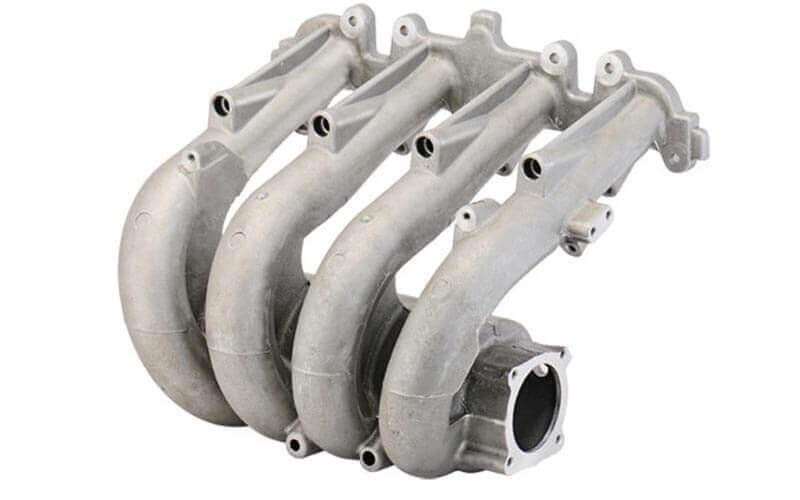
The inlet manifold is a crucial component of your engine’s intake system. It ensures that air (and in some cases, the air-fuel mixture) is distributed evenly across all cylinders, promoting efficient combustion and maximizing engine performance. While much focus is placed on components like turbochargers or exhaust systems, the length of the inlet manifold runners also plays a significant role in determining an engine’s power output and performance characteristics.
In this article, we’ll delve into how inlet manifold length influences engine power, how it affects different RPM ranges, and why it matters for both daily drivers and performance cars.
What is Inlet Manifold Length?
The inlet manifold is made up of multiple “runners,” which are tubes that connect the manifold to each of the engine’s intake ports. The length of these runners—the distance from the throttle body to the intake port—can vary depending on the engine’s design and intended use.
While it might seem like all runners should be the same length, their size and length are actually fine-tuned to balance air intake across a variety of engine speeds (RPMs) and maximize power output. So, when we talk about inlet manifold length, we’re referring specifically to the length of these intake runners and how they can be adjusted to suit different power needs.
How Inlet Manifold Length Affects Power
The length of the manifold runners can significantly influence engine performance, particularly in terms of the engine’s torque and power delivery at different RPM ranges. The basic principle revolves around the wave dynamics of air entering the engine during the intake stroke.
1. Shorter Runners for High RPM Power
Shorter runners generally favor high engine speeds. This is because air has less distance to travel into the cylinders, meaning it can enter the engine more quickly. At higher RPMs, the engine needs a fast, uninterrupted flow of air to perform at its peak, and shorter runners allow for that.
- Faster airflow: Shorter runners decrease the time it takes for air to travel into the intake port, increasing the amount of air the engine can draw in per revolution at high RPMs. This is particularly beneficial for high-performance engines that spend most of their time at higher engine speeds (e.g., race cars or performance builds).
- Increased high-end power: The quicker flow of air results in more efficient combustion at high RPMs, leading to increased horsepower in the upper range of the engine’s power band.
However, while shorter runners improve high-end power, they tend to sacrifice low-end torque. Without a longer runner to help with air velocity at lower RPMs, the engine may struggle to produce strong power at lower engine speeds, potentially leading to a lack of throttle response or poor acceleration when the engine is running at low RPM.
2. Longer Runners for Low-End Torque
Longer runners, on the other hand, are beneficial for engines that need strong torque at lower RPMs. The longer runners help to increase air velocity, which is crucial for generating torque at lower speeds.
- Enhanced low-end torque: Longer intake runners allow for better air velocity at lower RPMs. This is especially advantageous for engines that need strong torque for daily driving, off-roading, or towing applications.
- Better throttle response: At lower RPMs, longer runners help maintain an effective air-fuel mixture and promote smooth combustion, which translates into more responsive acceleration and improved drivability in city traffic or when cruising at moderate speeds.
While longer runners are great for low-end power, they do come with a trade-off. They can limit the engine’s ability to take in air at higher RPMs, meaning the engine may experience a reduction in high-end horsepower. As the engine speed increases, air velocity tends to decrease, which can affect performance in the upper RPM ranges.
3. Tuning for a Balance of Power
Many high-performance engines aim to balance the benefits of both short and long runners. One solution is the use of variable intake manifolds, which allow for adjustable runner length depending on the engine’s RPM. These manifolds have mechanisms that alter the runner length in real-time, optimizing airflow for both high-end power and low-end torque.
- Low RPM: At lower engine speeds, the manifold adjusts to shorten the runners, ensuring strong torque production.
- High RPM: As engine speed increases, the manifold lengthens the runners to allow for higher airflow, enhancing high-end horsepower.
This flexibility ensures that the engine performs optimally across a wide range of driving conditions, making variable intake manifolds an excellent choice for those looking for both power and efficiency.
How Inlet Manifold Length Affects Engine Tuning
For car enthusiasts and tuners, understanding the relationship between inlet manifold length and engine power is crucial. It’s important to match the intake manifold design to the engine’s intended use and operating range.
- For Street Engines: If you’re building a street car, the ideal setup is often one that provides a balance of power across all RPM ranges. Longer runners can help with daily drivability, while shorter runners can be reserved for more performance-focused setups.
- For Racing Engines: In racing applications, where high RPM performance is key, shorter runners or variable length manifolds are often used to maximize airflow at the higher end of the rev range.
- Forced Induction Engines: Turbocharged or supercharged engines may benefit more from short intake runners due to the increased air pressure provided by the turbo or supercharger, which compensates for the need for more air at higher RPMs. In this case, optimizing intake runner length can maximize the performance of the forced induction system.
Conclusion
Inlet manifold length plays a critical role in shaping engine performance. By adjusting the length of the intake runners, engineers and tuners can optimize airflow, boost torque, and increase power at different RPM ranges. Shorter runners excel at high RPMs by allowing faster airflow, while longer runners provide better low-end torque by improving air velocity at lower speeds.
For the best overall performance, it’s important to consider your engine’s purpose and how you plan to use it. Whether you’re looking for more low-end torque in a daily driver or high-end power in a race car, the right inlet manifold length can significantly impact your engine’s responsiveness and power delivery.
Understanding how manifold length affects engine performance is key to unlocking your engine’s potential. Whether you’re planning a full performance build or just want to fine-tune your current engine setup, the right intake manifold design can make all the difference.