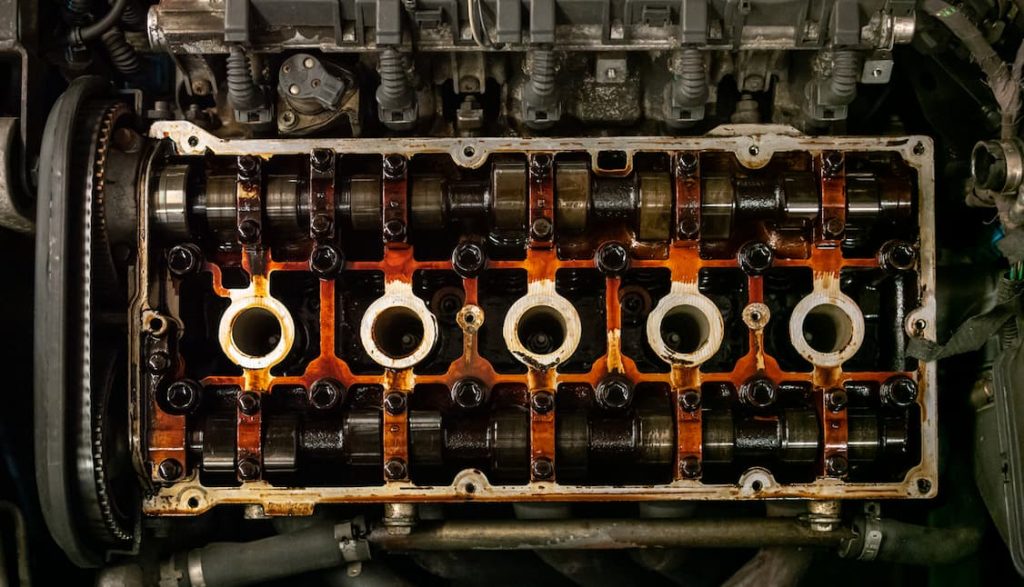
The timing cover gasket is a small but crucial component in your engine. It seals the timing cover, preventing oil leaks and keeping your engine’s timing system properly lubricated. Over time, heat, pressure, and wear can cause the gasket to fail, leading to oil leaks and potentially serious engine damage if left unchecked.
Here’s a detailed guide to the top signs your timing cover gasket is failing, so you can catch problems early and protect your engine.
What Is a Timing Cover Gasket?
A timing cover gasket sits between the timing cover and the engine block. Its main function is to:
- Seal engine oil inside the timing chain or belt area
- Prevent leaks around the crankshaft front seal
- Protect timing components from dirt and contaminants
Without a properly functioning gasket, oil can escape, timing components can lose lubrication, and engine performance can be compromised.
1. Oil Leaks at the Front of the Engine
The most obvious sign of a failing timing cover gasket is oil leaking from the front of the engine. You might notice:
- Puddles or spots under the front of your car
- Oil on the timing cover or crankshaft pulley
- Accumulated grime and sludge at the leak site
Oil leaks can start small but tend to worsen over time, so early detection is key.
2. Burning Oil Smell
When oil leaks from a gasket, it may come into contact with hot engine components like:
- Exhaust manifolds
- Pulleys or belts
This can produce a distinct burning oil smell inside or outside the vehicle. If you notice this odor, it’s a warning sign that your timing cover gasket may be compromised.
3. Engine Overheating
Oil isn’t just for lubrication—it also helps reduce friction and heat in engine components. A leaking timing cover gasket can lead to lower oil levels, causing:
- Increased friction in the timing chain or belt
- Higher engine temperatures
- Potential overheating if left unaddressed
Consistently low oil or overheating should be checked immediately.
4. Unusual Engine Noise
A failing gasket may allow oil to escape from the timing chain area, leading to insufficient lubrication. This can result in:
- Ticking or rattling noises from the front of the engine
- Chain or belt slapping sounds
- Increased mechanical wear
If you hear new noises coming from your timing chain area, it may be a sign the gasket isn’t sealing properly.
5. Low Oil Levels or Frequent Top-Ups
If your engine consistently requires oil top-ups, it could indicate a slow leak from the timing cover gasket. Even a small leak can cause:
- Gradual oil loss
- Reduced engine lubrication
- Higher risk of internal engine damage
Monitoring your oil level regularly can help catch a gasket issue before it worsens.
6. Visible Cracks or Damage to the Gasket
During inspections, mechanics may spot:
- Cracks, hardening, or shrinking of the gasket material
- Oil residue along the gasket line
- Warping of the timing cover itself
These are clear signs that the gasket is failing and should be replaced promptly.
Why a Failing Timing Cover Gasket Matters
A compromised gasket may seem minor at first, but neglecting it can lead to:
- Oil contamination of the timing chain or belt
- Premature wear on timing components
- Engine misalignment or performance issues
- Expensive engine repairs or replacement
Addressing a failing gasket early prevents small problems from turning into major engine failures.
How to Fix a Timing Cover Gasket Leak
Replacing a timing cover gasket usually involves:
- Removing accessory belts, pulleys, and the harmonic balancer
- Taking off the timing cover
- Cleaning the surfaces and installing a new gasket
- Reassembling the components carefully
Since labor can be significant, it’s often recommended to replace other components like the timing chain or tensioner simultaneously, especially on high-mileage engines.
Preventative Tips
- Check oil levels regularly
- Watch for leaks or oil spots under the vehicle
- Inspect engine noises for unusual ticking or rattling
- Replace the gasket at manufacturer-recommended intervals or if damaged
Proactive maintenance ensures the timing cover gasket continues to protect your engine effectively.
Final Thoughts
The timing cover gasket may be small, but it plays a vital role in keeping your engine lubricated and protected. Recognizing the signs of a failing gasket—oil leaks, burning smells, unusual noises, and low oil levels—can save you from costly repairs and extend the life of your engine.
Early detection and timely replacement are the keys to keeping your timing system running smoothly for years.