Your vehicle’s fuel system plays a crucial role in ensuring smooth engine performance, fuel efficiency, and overall reliability. Over time, however, wear and tear, contaminants, and component failures can degrade your fuel system’s effectiveness. Ignoring these issues can lead to poor engine performance, higher fuel consumption, and even costly repairs. To keep your car running smoothly, it’s important to recognize the top signs that your fuel system needs maintenance.
1. Difficulty Starting the Engine
One of the earliest and most common signs of fuel system problems is difficulty starting your vehicle. If your engine takes longer than usual to start, or if it cranks but won’t fire up immediately, this could indicate that fuel is not reaching the engine properly. Issues such as a failing fuel pump, clogged fuel filter, or faulty fuel injectors can cause this symptom.
2. Engine Stalling or Hesitation
If your engine suddenly stalls while idling or hesitates during acceleration, it might be a sign that your fuel system is struggling to deliver a consistent flow of fuel. This can be caused by clogged fuel injectors, a dirty fuel filter, or inconsistent fuel pressure.
3. Poor Fuel Economy
A noticeable drop in fuel efficiency is often linked to fuel system problems. When your fuel system isn’t delivering the right amount of fuel efficiently, your engine compensates by consuming more fuel. This can also be caused by faulty sensors or a malfunctioning fuel pressure regulator.
4. Rough Idling or Engine Misfires
A rough idle or engine misfires are symptoms of an unbalanced air-to-fuel ratio. If your fuel injectors are dirty or failing, they might not be spraying fuel evenly, leading to uneven combustion and a rough-running engine.
5. Strong Fuel Smell
If you detect a strong smell of gasoline inside or around your vehicle, this could indicate a fuel leak in the system. Fuel leaks are dangerous as they pose a fire risk and can lead to inefficient fuel consumption. It’s important to address any fuel smells immediately by having your fuel lines, injectors, and tank inspected.
6. Check Engine Light Is On
Modern vehicles have sensors that monitor various parts of the fuel system. If the check engine light illuminates on your dashboard, it could be triggered by fuel system issues such as a malfunctioning fuel injector, low fuel pressure, or sensor faults. A diagnostic scan can help identify the exact problem.
7. Engine Surging or Bucking
If your engine surges forward unexpectedly or bucks under acceleration, this can indicate inconsistent fuel delivery. The problem could be caused by dirty fuel injectors, a failing fuel pump, or a clogged fuel filter restricting fuel flow.
8. Decreased Engine Performance
When your vehicle feels sluggish or struggles to accelerate as it once did, the fuel system might not be supplying adequate fuel to the engine. This loss of power can be attributed to clogged filters, failing pumps, or faulty injectors.
How to Maintain Your Fuel System
- Regular Fuel Filter Replacement: Follow your vehicle manufacturer’s recommendations for replacing the fuel filter to prevent clogs and maintain proper fuel flow.
- Use Quality Fuel: Using high-quality fuel reduces the chances of contamination and deposits forming in the fuel system.
- Fuel Injector Cleaning: Use fuel injector cleaner additives periodically or have professional cleaning to ensure injectors are spraying fuel evenly.
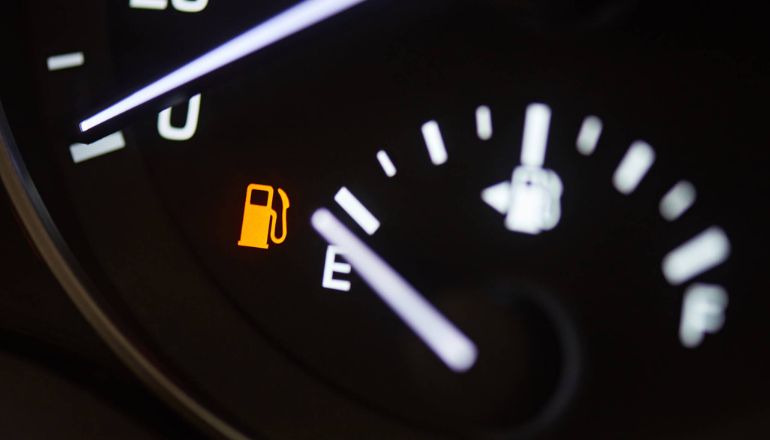
- Don’t Run on Low Fuel: Keeping your tank above a quarter full helps prevent sediment in the tank from clogging the fuel pump.
- Routine Inspections: Have your fuel system components checked regularly during service appointments.
When to See a Mechanic
If you notice any of these warning signs or your check engine light is on, it’s best to have a professional mechanic inspect your fuel system. Early diagnosis and maintenance can prevent more serious and costly damage down the road.
Conclusion
The fuel system is essential to your vehicle’s performance and efficiency. Recognizing the top signs that your fuel system needs maintenance can save you from unexpected breakdowns and expensive repairs. By staying vigilant and performing routine care, you can keep your engine running smoothly and your fuel economy optimized.