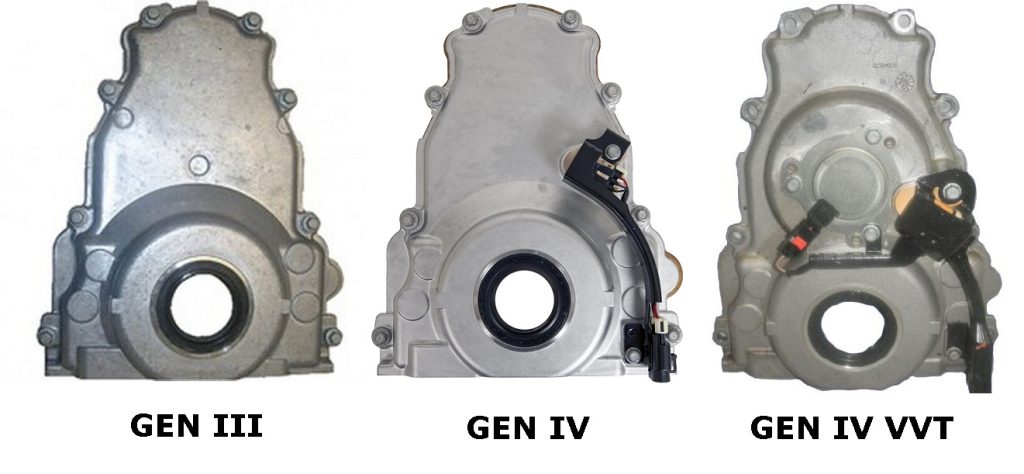
When it comes to engine components, timing covers and valve covers are two parts that often confuse car owners. Both play essential roles in protecting your engine, but they serve very different purposes. Understanding the difference can help you identify leaks, maintain your engine properly, and avoid costly repairs.
Here’s a detailed breakdown of timing covers vs. valve covers and why each matters.
What Is a Timing Cover?
The timing cover is located at the front of the engine and encloses the timing system. This system includes:
- The timing chain or timing belt
- Crankshaft and camshaft sprockets
- Guides and tensioners
The timing cover primarily serves to:
- Protect critical timing components from dirt, debris, and moisture.
- Seal engine oil around the timing chain (for lubricated chains).
- Support engine seals like the crankshaft front seal.
In short, the timing cover safeguards the parts that keep your engine valves and pistons moving in perfect synchronization.
What Is a Valve Cover?
The valve cover, sometimes called a rocker cover, sits on top of the engine and covers the cylinder head. Its main components are:
- Rocker arms or camshafts (depending on engine design)
- Valve springs
- Associated components of the valvetrain
The valve cover serves to:
- Keep oil contained over the valvetrain.
- Prevent dirt and debris from entering the cylinder head.
- Reduce engine noise coming from the valvetrain.
Unlike the timing cover, the valve cover does not contain timing components—it only protects the top part of the engine where valves operate.
Key Differences Between Timing Cover and Valve Cover
| Feature | Timing Cover | Valve Cover |
|---|---|---|
| Location | Front of the engine | Top of the engine (cylinder head) |
| What It Covers | Timing belt or chain, sprockets, guides | Valvetrain: camshafts, rocker arms, valve springs |
| Material | Aluminum, steel, or reinforced plastic | Aluminum or stamped steel; sometimes plastic |
| Primary Purpose | Protects timing components and seals in oil | Protects valvetrain and keeps oil from leaking |
| Seals/Gaskets | Timing cover gasket, crankshaft seal | Valve cover gasket |
| Failure Symptoms | Oil leaks at front of engine, timing noise | Oil leaks on top of engine, smoke from valve area, burning oil smell |
Common Problems
Timing Cover Issues
- Oil leaks due to worn gasket
- Cracks or warping from heat
- Front crankshaft seal failure
- Timing chain contamination
Valve Cover Issues
- Oil leaking from valve cover gasket
- Sludge buildup under the cover
- Engine misfires due to oil in spark plug wells
- Excessive valvetrain noise
How to Tell Which Cover Is Leaking
Location of leak is usually the easiest way to differentiate:
- Timing cover leak: Oil appears at the front of the engine, near the crankshaft pulley or harmonic balancer.
- Valve cover leak: Oil shows up on top of the engine or drips down from the cylinder head.
Sometimes both covers can leak at once, especially in high-mileage engines, but knowing the difference helps mechanics target the right repair.
Repair Considerations
- Timing cover repairs are often more labor-intensive because the cover is behind pulleys, belts, or chains. Gasket replacement may require partial disassembly of the engine front.
- Valve cover repairs are usually simpler, involving only the removal of bolts and replacement of the gasket.
Both repairs are crucial, as neglecting either can lead to serious engine damage over time.
Why Understanding the Difference Matters
Recognizing the difference between a timing cover and a valve cover helps you:
- Accurately diagnose leaks
- Schedule maintenance efficiently
- Avoid unnecessary repairs
- Maintain engine reliability and longevity
Even though they are both “covers,” timing and valve covers protect entirely different systems inside your engine. Treating them as separate components ensures your engine stays healthy for years.
Final Thoughts
The timing cover and valve cover may sound similar, but they serve very distinct functions. One safeguards your engine’s timing system, while the other protects the valvetrain. Knowing the difference can help you spot problems early, communicate effectively with mechanics, and prevent costly repairs.
Proper maintenance, including timely gasket replacement and inspections, keeps both covers—and your engine—working smoothly.