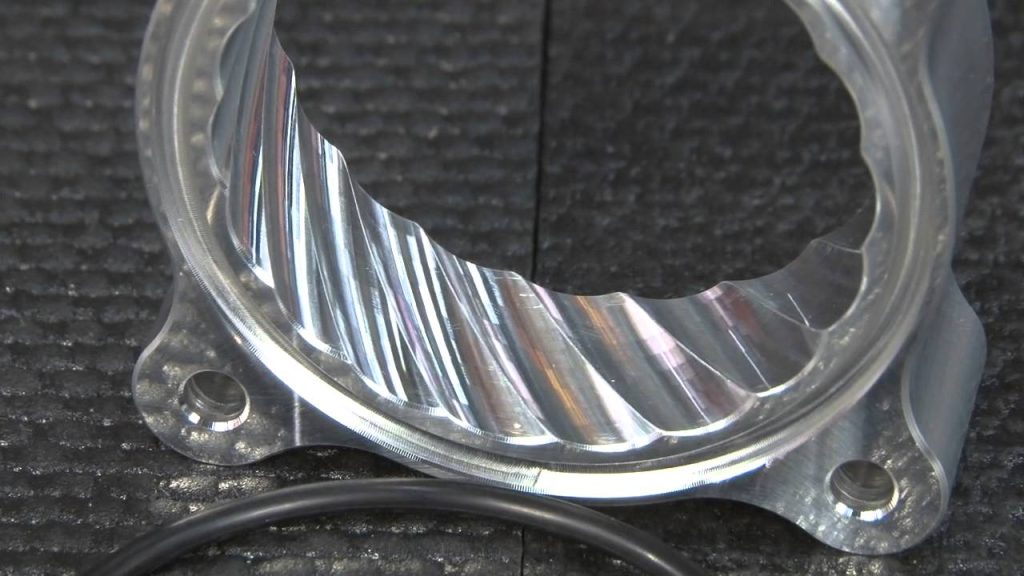
If you’ve been exploring ways to boost your car’s performance, you may have come across throttle body spacers. Marketed as a way to increase horsepower and torque, improve throttle response, and even enhance fuel efficiency, these small components have sparked plenty of debate in the automotive community. But do they actually work, or are they just another performance gimmick?
Let’s break it down.
🔧 What Is a Throttle Body Spacer?
A throttle body spacer is an aftermarket device installed between the throttle body and the intake manifold. It usually consists of a lightweight material like aluminum, plastic, or composite.
Manufacturers claim that the spacer:
- Improves air/fuel mixture distribution
- Increases turbulence for better combustion
- Boosts throttle response and low-end torque
- Provides minor horsepower gains
Essentially, it modifies how air enters the engine to optimize performance.
🚗 How Throttle Body Spacers Are Supposed to Work
The theory behind throttle body spacers revolves around airflow dynamics:
- Air Separation & Vortex Creation – Many spacers feature ribs or fins that create a swirling effect as air enters the manifold. This supposedly improves fuel atomization and combustion efficiency.
- Smoother Air Distribution – By slightly spacing the throttle body away from the intake manifold, some claim airflow is more evenly distributed to all cylinders.
- Idle and Low-End Torque Improvement – A well-designed spacer may enhance throttle response at low RPMs.
The key idea is “better air turbulence = more complete combustion = slight performance gains.”
⚠️ What the Evidence Says
Here’s what automotive testing and enthusiast experience suggest:
- Horsepower Gains Are Minimal – Most independent dyno tests show increases of 5–10 horsepower at best, usually only noticeable on stock or lightly modified engines.
- Torque Improvements at Low RPMs – Some drivers report slightly smoother throttle response and better low-end torque, particularly in naturally aspirated engines.
- No Significant Fuel Economy Boost – Claims of improved mileage are mostly anecdotal and not supported by controlled testing.
- Turbocharged or High-Performance Engines – Gains are often negligible, as forced induction systems already optimize airflow efficiently.
In short, throttle body spacers are not a magic performance solution.
🛠 Potential Downsides
- Installation Issues – Poorly installed spacers can cause vacuum leaks or sensor misreads.
- Fitment Problems – Some spacers don’t align perfectly with aftermarket intake manifolds.
- Negligible Performance Gains – If you’re chasing serious horsepower increases, other mods like intake upgrades, exhaust, or ECU tuning are far more effective.
- Cost vs Benefit – Most spacers cost between $50–$150 — often less impactful than other performance mods.
💡 When a Throttle Body Spacer Might Be Worth It
While not a game-changer, some scenarios may benefit from a throttle body spacer:
- Daily Driver with Mild Modifications – Can slightly smooth out idle and throttle response.
- Naturally Aspirated Engines – Might see minor low-end torque improvement.
- DIY Enthusiasts – Easy to install, fun to experiment with airflow tuning.
However, for turbocharged or heavily tuned engines, spacers rarely provide noticeable gains.
🔁 Alternatives for Real Performance Gains
If your goal is meaningful horsepower and torque improvements, consider:
- High-Flow Cold Air Intake – Increases airflow efficiently.
- Performance Exhaust System – Reduces backpressure for better engine breathing.
- ECU Tuning or Performance Chips – Optimizes fuel and timing maps.
- Ported or Larger Throttle Body – Directly increases air intake volume.
These mods generally deliver more tangible performance than a simple spacer.
🏁 Final Verdict
Throttle body spacers are mostly a minor tweak. They may offer:
- Slightly smoother idle
- Minor low-end torque gains
- A DIY-friendly way to experiment with airflow
But they are not a substitute for major performance upgrades. Many enthusiasts consider them more of a gimmick than a true horsepower booster — though some enjoy the subtle effects and the DIY satisfaction.
If you’re curious, a spacer is relatively cheap and safe to try, but temper your expectations: don’t expect it to transform your car into a speed demon overnight.