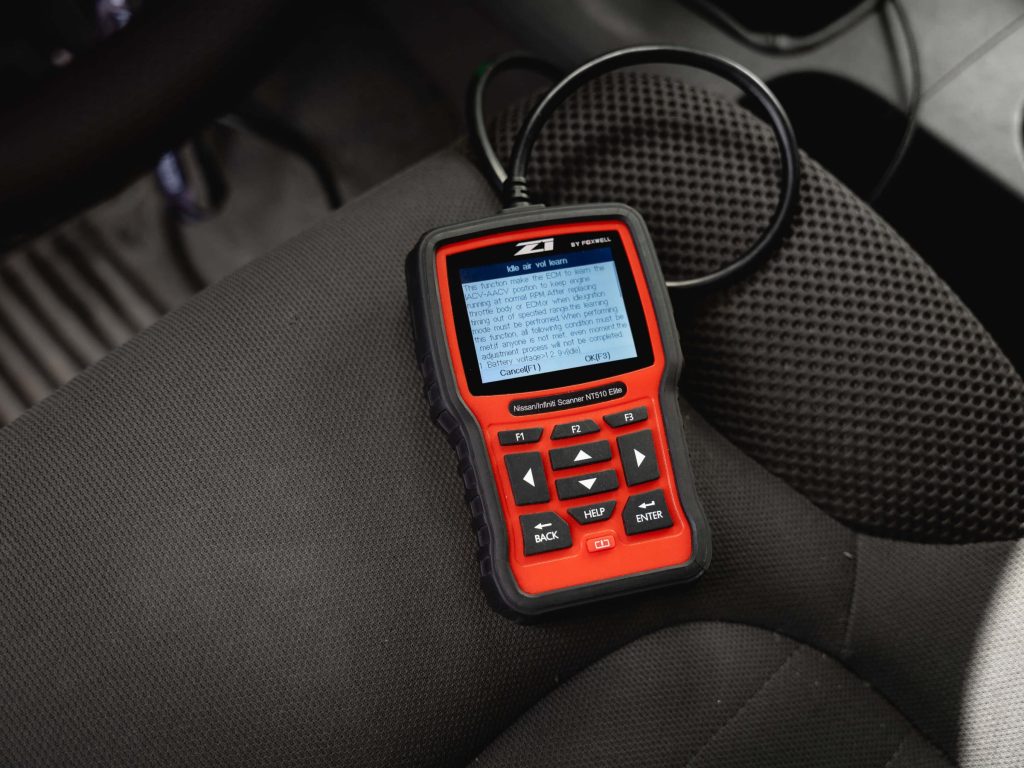
Modern cars rely on electronic throttle bodies (ETBs) to regulate airflow into the engine. Over time, cleaning, replacing, or even just disconnecting the battery can cause the engine control unit (ECU) to “forget” how the throttle should behave. That’s where the throttle body relearn procedure comes in.
In this guide, we’ll explain what it is, why it matters, and how to perform it safely.
🔧 What Is a Throttle Body Relearn Procedure?
A throttle body relearn is a process where the ECU recalibrates the throttle plate’s resting position and idle parameters. Essentially, the car “relearns” how the throttle should operate for smooth performance.
Without this step, you might notice:
- Rough or unstable idle
- Hesitation during acceleration
- Poor throttle response
- Stalling at low speeds
- Check engine light related to throttle codes
⚠️ Why a Throttle Body Relearn Is Necessary
The ECU stores learned values to optimize airflow and fuel mixture. Any of the following can disrupt those values:
- Throttle Body Cleaning or Replacement – Removes carbon deposits and resets the throttle plate position.
- Battery Disconnection – Interrupts ECU memory.
- ECU Reset or Reprogramming – Clears learned throttle parameters.
- Mechanical Adjustments – After repairing vacuum leaks or intake components.
Without relearning, the ECU may overcompensate or misread throttle position, leading to driveability issues.
🚗 Symptoms Indicating a Relearn Is Needed
- Engine idle is too high or too low
- Rough or fluctuating idle
- Engine stalls at stops
- Delayed throttle response
- Check engine light with throttle-related codes like P2101 or P2112
If you experience these after a throttle cleaning, replacement, or battery reset, a relearn procedure is likely required.
🛠 How to Perform a Throttle Body Relearn
There are two main methods: automatic and manual, depending on the vehicle.
1. Automatic Relearn
Some modern vehicles perform a relearn automatically:
- Turn the ignition to the “ON” position without starting the engine.
- Wait 10–15 seconds.
- Start the engine and let it idle for 5–10 minutes with all accessories off.
- Drive normally for 10–15 minutes to allow the ECU to adjust.
The vehicle may adjust idle speed and throttle behavior gradually during this time.
2. Manual Relearn
Certain makes require a manual procedure, often outlined in the service manual:
- Turn ignition on/off multiple times
- Depress and release the accelerator pedal in a specific sequence
- Let the car idle for set intervals
⚠️ Tip: Always check your vehicle’s service manual for the correct procedure. Some vehicles, like Ford Mustang GT or Honda Accord, have precise throttle relearn sequences to prevent triggering limp mode or codes.
💡 Additional Tips
- Ensure the throttle body and intake system are clean before performing a relearn.
- Perform the procedure in a safe, open area to allow engine warm-up without interference.
- Avoid pressing the gas pedal unless the manual specifies it.
- If idle problems persist after relearn, a professional diagnostic may be necessary.
⏱ How Often Should You Perform a Relearn?
- After cleaning or replacing the throttle body
- After disconnecting or replacing the battery
- After ECU reset or programming
- When experiencing idle or throttle response issues
It is not a regular maintenance task — only done as needed.
🏁 Final Thoughts
The throttle body relearn procedure is an essential step to restore proper idle, throttle response, and engine performance after maintenance or ECU resets. While some vehicles handle this automatically, others require a specific manual procedure.
Ignoring a needed relearn can lead to rough idle, hesitation, and even check engine lights — so it’s always better to perform the procedure when in doubt. With the right steps, your car will run smoothly and respond as it should.