Owning a car comes with a lot of responsibilities, and being prepared for minor repairs or roadside emergencies is one of them. For beginners, the idea of building a car tool kit can feel overwhelming—but it doesn’t have to be. With the right essentials, you can handle common issues, save money, and feel confident on the road.
Here’s the ultimate checklist of essential car tools for beginners that every driver should have in their vehicle.
1. Jumper Cables or Portable Jump Starter
Why it’s essential:
A dead battery is one of the most common car problems. Jumper cables allow you to use another car to start yours, while a portable jump starter gives you independence—no second car needed.
Beginner tip:
Keep cables neatly coiled and a jump starter fully charged to avoid frustration when you need them most.
2. Tire Jack and Lug Wrench
Why it’s essential:
Flats happen. A tire jack and lug wrench are necessary to swap a flat tire with your spare safely.
Beginner tip:
Practice using the jack at home before you ever need it on the road—it makes a real difference in an emergency.
3. Spare Tire or Tire Repair Kit
Why it’s essential:
A spare tire can save you from being stranded, while a tire repair kit is a lighter alternative if your car doesn’t have a full-size spare.
Beginner tip:
Always check tire pressure regularly—both for your spare and your main tires.
4. Tire Pressure Gauge
Why it’s essential:
Underinflated or overinflated tires reduce fuel efficiency, handling, and safety.
Beginner tip:
Digital gauges are easy to read and highly accurate, making it simple to check tire pressure anytime.
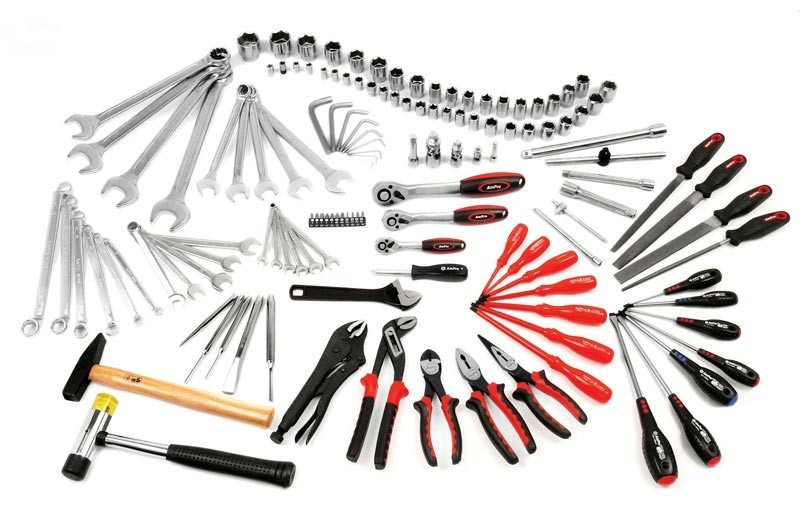
5. Basic Tool Kit
Why it’s essential:
A beginner’s tool kit with screwdrivers, pliers, and an adjustable wrench can handle minor repairs and adjustments.
Beginner tip:
Start small—over time, you can add more specialized tools as you gain confidence.
6. Flashlight or Headlamp
Why it’s essential:
Car trouble can happen anytime, and working in the dark is difficult without proper lighting.
Beginner tip:
Headlamps are perfect because they free up your hands, making repairs safer and easier.
7. Work Gloves
Why it’s essential:
Protect your hands from dirt, grease, and sharp edges while working on your car.
Beginner tip:
Durable, snug-fitting gloves give better grip without sacrificing dexterity.
8. Reflective Warning Triangles or Road Flares
Why it’s essential:
If your car breaks down, safety comes first. Warning triangles or flares alert other drivers that your vehicle is stopped.
Beginner tip:
Place them at least 50 feet behind your car for maximum visibility.
9. Multi-Tool or Swiss Army Knife
Why it’s essential:
A compact multi-tool combines screwdrivers, knives, and other tools in one small package—perfect for unexpected fixes.
Beginner tip:
Choose a reliable brand that won’t fail when you need it most.
10. Duct Tape and Zip Ties
Why it’s essential:
Temporary fixes are sometimes the only option until you reach a mechanic. Duct tape and zip ties are incredibly versatile.
Beginner tip:
Keep small rolls and a few zip ties in a plastic bag to prevent them from unraveling in your car.
11. Emergency Kit Add-Ons (Optional but Recommended)
- First-aid kit
- Phone charger or power bank
- Blanket or rain poncho
- Bottled water and snacks
These aren’t tools in the strict sense, but they can make emergencies much more manageable, especially for beginners who may not be as experienced handling roadside issues.
Final Thoughts
Being prepared doesn’t mean turning your car into a full mechanic’s workshop. For beginners, starting with these essential car tools is enough to handle most common problems safely and efficiently.
Take the time to organize your kit, familiarize yourself with each tool, and check everything regularly. With this checklist, even a new driver can feel confident on the road—ready for anything that comes their way.