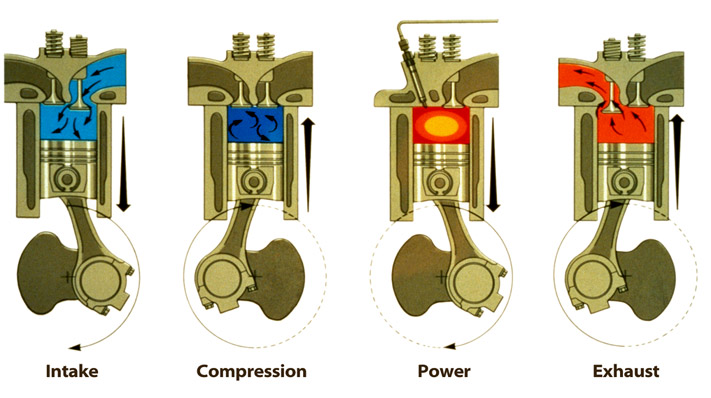
When it comes to maximizing engine performance, few components are as critical—and often overlooked—as the throttle body. Its role may seem simple: regulate the airflow into your engine—but the reality is much more complex. Optimizing your throttle body can improve horsepower, torque, throttle response, and overall engine efficiency. In this article, we’ll dive into the science of airflow and show how fine-tuning your throttle body can help your car reach its full speed potential.
Understanding the Throttle Body
The throttle body is essentially a valve controlling the amount of air entering your engine’s intake manifold. Modern vehicles use electronic throttle bodies (drive-by-wire systems) to precisely manage airflow based on pedal input, while older vehicles rely on mechanical linkages.
Airflow is a critical factor in engine performance because more air means more oxygen for combustion, allowing the engine to burn more fuel efficiently. The throttle body, therefore, directly impacts how much power your engine can produce.
The Science of Airflow
Air doesn’t just flow into the engine—it moves through a complex path influenced by velocity, pressure, and turbulence. Understanding these factors is key to optimizing your throttle body:
- Air Velocity: Faster-moving air improves combustion efficiency. A well-optimized throttle body minimizes restrictions to maintain high air velocity.
- Pressure Drop: Air pressure can drop across the throttle body if it’s too small or poorly designed. Minimizing pressure loss ensures more consistent airflow.
- Turbulence: Excessive turbulence reduces engine efficiency. Smooth throttle body surfaces and optimized shapes help maintain laminar airflow.
- Air-Fuel Mixing: Proper airflow ensures the air mixes evenly with fuel, creating a more complete and powerful combustion process.
How Optimizing Your Throttle Body Boosts Performance
1. Improved Throttle Response
Optimizing the throttle body—through cleaning, porting, or upgrading—reduces airflow restrictions. This allows the engine to react faster to accelerator input, giving you a sharper, more connected driving experience.
2. Higher Horsepower and Torque
By increasing airflow efficiency, the engine can burn more fuel effectively, translating into more power. This is particularly noticeable at high RPMs, where stock throttle bodies can become a bottleneck.
3. Enhanced High-RPM Efficiency
Optimized airflow ensures that your engine receives a steady, unrestricted supply of air even at high speeds, preventing power drops and maintaining peak performance.
4. Better Fuel Efficiency and Engine Health
While primarily a performance upgrade, optimized airflow can also lead to slightly better fuel efficiency. Consistent, laminar airflow improves combustion quality, reducing wasted fuel and stress on engine components.
Methods to Optimize Throttle Body Airflow
- Cleaning: Carbon buildup inside the throttle body can restrict airflow. A thorough cleaning restores smooth operation.
- Porting and Polishing: Smoothing the internal surfaces and slightly enlarging openings reduces turbulence and improves velocity.
- Upgrading: Performance throttle bodies often feature larger diameters and better flow designs to maximize airflow.
- ECU Tuning: Adjusting throttle maps ensures your engine and throttle body work together optimally for both response and efficiency.
Practical Considerations
- Balance Is Key: Going too big on throttle body size can reduce low-end torque and drivability. Match the size to your engine and intended use.
- Supporting Modifications: Upgrades like cold air intakes, high-flow exhausts, and proper tuning amplify the benefits of throttle body optimization.
- Maintenance: Keep the throttle body and intake clean to sustain performance gains. Regular maintenance ensures airflow remains smooth and efficient.
Real-World Impact
Optimizing your throttle body may not always produce massive horsepower gains alone, but the improvement in throttle response, high-RPM efficiency, and overall engine feel is dramatic. Drivers often report:
- Smoother and more immediate acceleration
- Better performance at highway speeds and during spirited driving
- A more “alive” engine that feels connected to the driver
Conclusion
The throttle body is much more than just a simple air valve—it’s a critical component that controls the flow of life-giving air into your engine. Understanding the science of airflow and optimizing your throttle body can significantly enhance throttle response, high-RPM power, and overall drivability. Whether through cleaning, upgrading, or tuning, investing in airflow optimization is one of the most effective ways to get your car performing at its peak speed potential.