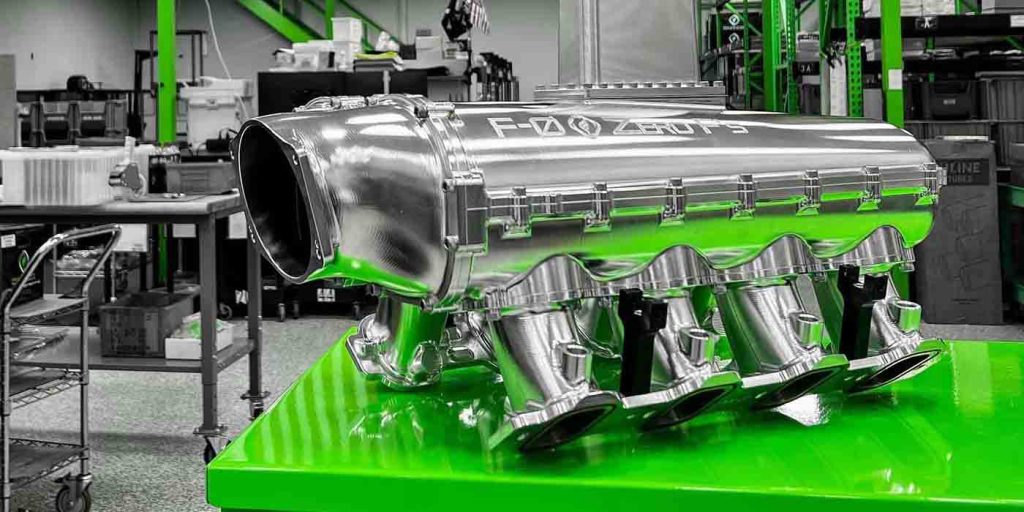
When it comes to maximizing fuel economy and reducing emissions, many car owners think about fuel injectors, catalytic converters, or engine tuning. But one often-overlooked component that plays a significant role in both fuel efficiency and emissions is the intake manifold. This essential part of the engine directly influences how air enters the combustion chamber, and in turn, how efficiently the engine runs. The Role of Intake Manifolds in Fuel Efficiency and Emissions
Understanding how the intake manifold works and how it affects fuel usage and emissions can help you make smarter decisions about vehicle maintenance and performance upgrades.
What is an Intake Manifold?
The intake manifold is a system of passages that distributes air—or an air-fuel mixture—to the engine’s cylinders. In modern vehicles, the intake manifold typically only handles air, as fuel is injected directly into the combustion chamber. The design and condition of the intake manifold directly affect how air flows into the engine and how effectively it mixes with fuel.
How the Intake Manifold Affects Fuel Efficiency
Fuel efficiency is all about how much power your engine can produce with the least amount of fuel. The intake manifold plays a vital role in this by optimizing airflow to the cylinders. Here’s how it helps:
1. Ensures Balanced Air Distribution
A well-designed intake manifold delivers air evenly to all cylinders. If one cylinder receives too much or too little air, it disrupts the air-fuel ratio, causing inefficient combustion. Balanced air delivery helps the engine run smoother and more efficiently.
2. Increases Air Velocity for Better Combustion
Long, narrow intake runners (part of the manifold design) can increase the speed of the incoming air. Faster air improves fuel atomization and mixing, which leads to more complete combustion. Better combustion equals more power and less fuel wasted.
3. Supports Low-RPM Efficiency
Some intake manifolds are designed specifically to improve low-end torque and efficiency at lower RPMs, where most everyday driving occurs. This helps the engine use less fuel during city driving or stop-and-go traffic.
4. Works with Variable Intake Systems
Modern engines often use variable intake manifolds that adjust runner length or volume based on engine speed. This technology optimizes airflow at both low and high RPMs, improving both power and fuel economy across a wide range of driving conditions.
The Intake Manifold’s Role in Emissions Control
Emissions are a byproduct of combustion. The more efficiently your engine burns fuel, the fewer pollutants it releases. The intake manifold contributes to cleaner emissions in several ways:
1. Promotes Complete Combustion
By ensuring the right amount of air reaches each cylinder, the intake manifold helps achieve complete combustion. Incomplete combustion creates harmful emissions such as carbon monoxide (CO) and hydrocarbons (HC). Complete combustion reduces these emissions significantly.
2. Works in Sync with the EGR System
Many intake manifolds are integrated with the Exhaust Gas Recirculation (EGR) system, which recirculates a portion of exhaust gases back into the intake to reduce nitrogen oxide (NOx) emissions. A clean, properly functioning intake manifold is crucial for proper EGR operation.
3. Reduces Engine Knock and Pre-Ignition
Proper airflow helps maintain the correct combustion temperature. If the air-fuel mixture burns too hot or too early, it can cause engine knock, which leads to increased emissions and engine wear. The intake manifold helps regulate these conditions by controlling airflow and pressure.
Problems That Can Affect Fuel Efficiency and Emissions
When the intake manifold develops issues, it can negatively impact both fuel economy and emissions. Common problems include:
- Vacuum Leaks: Allow unmetered air into the engine, throwing off the air-fuel ratio.
- Cracked Manifold or Gasket Failures: Lead to air or coolant leaks that disrupt combustion.
- Carbon Buildup: Restricts airflow and affects performance and emissions.
- Faulty Intake Runner Control Systems: Cause inconsistent airflow to the cylinders.
These problems often trigger the Check Engine Light and can lead to poor gas mileage, rough idling, and failed emissions tests.
How to Maintain Your Intake Manifold
Keeping your intake manifold in good condition ensures your engine runs efficiently and produces fewer emissions. Here are a few tips:
- Inspect Regularly: Look for cracks, leaks, or loose connections.
- Clean Periodically: Remove carbon buildup using intake system cleaners or by removing the manifold for deep cleaning.
- Replace Gaskets When Needed: Don’t ignore signs of leaking or worn gaskets.
- Watch for Warning Signs: Pay attention to engine misfires, poor fuel economy, or increased emissions.
When to Upgrade or Replace Your Intake Manifold
Performance-oriented drivers or those with older vehicles may benefit from upgrading to a high-efficiency intake manifold. Upgrades can improve airflow and throttle response, resulting in better fuel efficiency and lower emissions—especially when paired with tuning or other engine modifications.
If your manifold is cracked, warped, or no longer functioning properly, replacement is often the most effective solution to restore performance and fuel economy.
Conclusion
The intake manifold is more than just a channel for air—it’s a key player in your vehicle’s fuel efficiency and emissions performance. A properly designed and well-maintained intake manifold helps your engine breathe better, burn fuel more efficiently, and emit fewer pollutants.
Whether you’re looking to reduce fuel costs, pass an emissions test, or simply keep your vehicle running its best, don’t overlook the importance of the intake manifold. Keeping it clean, leak-free, and functioning properly is an easy way to improve both your car’s efficiency and its impact on the environment. The Role of Intake Manifolds in Fuel Efficiency and Emissions