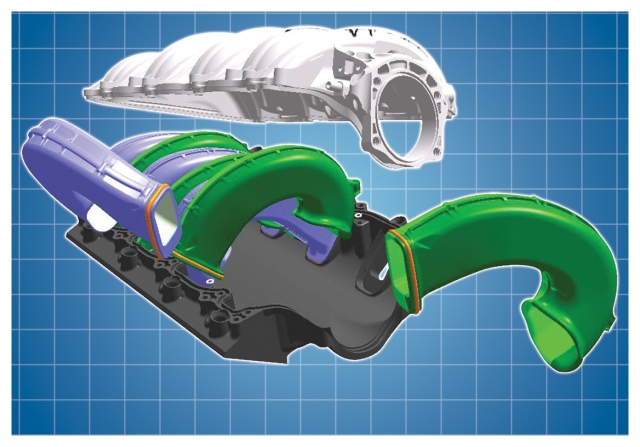
The intake manifold is a vital part of your vehicle’s engine, but many car owners don’t fully understand what it does or why it matters. Whether you’re a casual driver or an enthusiast, having a basic knowledge of the intake manifold can help you recognize potential issues early and communicate better with your mechanic. Intake Manifold Basics: What Every Car Owner Should Know
What is an Intake Manifold?
The intake manifold is a component that sits between the throttle body and the engine cylinders. Its main job is to evenly distribute the air-fuel mixture (or just air in some modern fuel-injected engines) to each cylinder for combustion. Proper air distribution is critical for the engine to run efficiently, smoothly, and with optimal power.
How Does the Intake Manifold Work?
When you press the accelerator, the throttle body opens to allow air into the intake manifold. The manifold channels this air (or air-fuel mix) into the engine’s cylinders. Each cylinder gets an equal amount of air, ensuring balanced combustion. This balance affects engine power, fuel efficiency, and emissions.
Types of Intake Manifolds
There are several types of intake manifolds, each designed for different performance goals:
- Single-plane Intake Manifold: Has one large, open plenum feeding all the cylinders. It is common in high-performance engines for maximum airflow and top-end power.
- Dual-plane Intake Manifold: Divides the manifold into two separate sections feeding half of the cylinders each. This design improves low to mid-range torque and drivability.
- Variable Intake Manifold: Uses adjustable runners that change length based on engine speed to optimize airflow across RPM ranges. This type offers a good balance of power and efficiency.
Why is the Intake Manifold Important?
The intake manifold plays a key role in your engine’s overall performance. A well-functioning intake manifold ensures:
- Efficient Airflow: Proper air distribution means better combustion and engine performance.
- Improved Fuel Efficiency: A balanced air-fuel mixture leads to less wasted fuel.
- Reduced Emissions: Proper combustion lowers harmful exhaust gases.
- Engine Smoothness: Balanced airflow prevents engine knocking or misfires.
Common Intake Manifold Problems
Knowing common issues can help you spot problems early:
- Leaks: Gasket failures or cracks can cause air or coolant leaks, leading to rough idling and overheating.
- Carbon Buildup: Over time, carbon deposits can restrict airflow inside the manifold.
- Warping or Cracks: Extreme heat can cause physical damage requiring repair or replacement.
Signs of a Failing Intake Manifold
- Engine misfires or rough idle
- Decreased engine power and acceleration
- Check engine light turning on
- Coolant leaks near the manifold
- Poor fuel economy
- Unusual hissing noises from the engine bay
Maintenance Tips for Your Intake Manifold
To keep your intake manifold in good condition:
- Regularly inspect for leaks or damage
- Perform intake manifold cleaning to remove carbon buildup
- Use quality replacement gaskets if repairs are needed
- Address engine overheating issues promptly
When to Consult a Mechanic
If you notice any of the symptoms above or if your vehicle’s performance declines suddenly, it’s best to have a professional mechanic inspect the intake manifold. Early diagnosis can save you from costly repairs down the road.
Conclusion
Understanding the basics of the intake manifold empowers you to take better care of your vehicle. This crucial engine component directly impacts performance, fuel efficiency, and engine longevity. By knowing what the intake manifold does, recognizing warning signs, and performing routine maintenance, you can help ensure your car runs smoothly for years to come. Intake Manifold Basics: What Every Car Owner Should Know