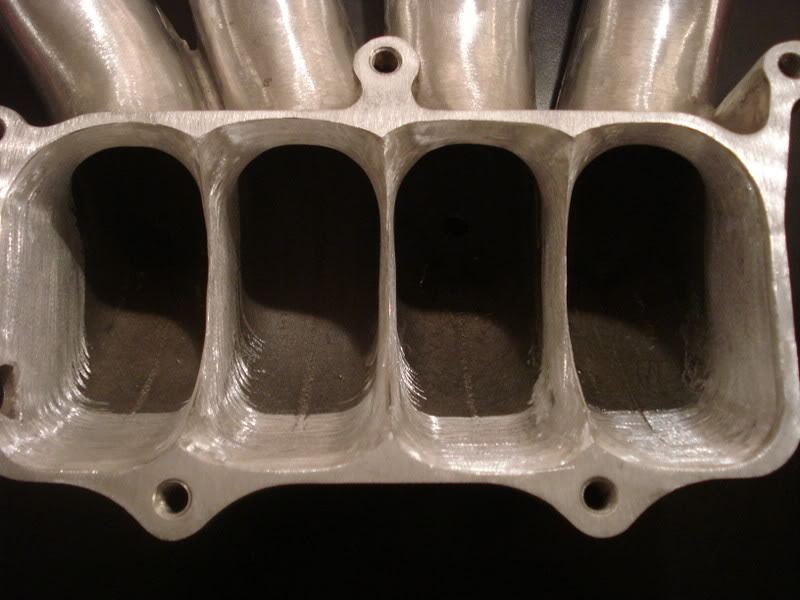
When it comes to engine tuning and performance upgrades, enthusiasts are always looking for ways to maximize airflow and efficiency. One such modification that’s frequently discussed is inlet manifold porting. But does it really help? Is it worth the investment of time and money? In this article, we’ll break down what inlet manifold porting is, how it works, and whether it’s an upgrade that can improve your vehicle’s performance.
What is Inlet Manifold Porting?
Inlet manifold porting refers to the process of modifying the intake manifold by smoothing, reshaping, and enlarging the intake ports to improve airflow into the engine. Porting typically involves removing material from the manifold’s interior surfaces, including the intake runners (the tubes that connect the manifold to the engine’s cylinders). This allows for better air distribution, smoother airflow, and reduced turbulence.
While the primary goal of porting is to increase the amount of air that flows into the engine, the process can also improve the overall balance of the air-fuel mixture, leading to more efficient combustion.
How Does Porting Affect Airflow?
Airflow is critical to engine performance. The more air the engine can take in and mix with fuel, the more power it can generate. However, it’s not just about how much air enters the engine—it’s also about how smoothly and evenly it enters.
- Smoother Airflow: Porting removes rough edges and imperfections in the intake ports that can cause air turbulence. Smoother airflow means that the air reaches the cylinders more efficiently, helping to optimize combustion.
- Increased Volume: By enlarging the intake ports, more air can flow into the engine, potentially increasing the amount of fuel that can be burned for power. This can improve overall performance, especially in high-performance engines that demand more air at higher RPMs.
- Improved Air-Fuel Mixture: Porting can help maintain an even distribution of the air-fuel mixture across all cylinders. This leads to more consistent combustion and can help prevent some cylinders from running lean (too little fuel) or rich (too much fuel), which would otherwise reduce performance and efficiency.
Does Porting Help with Performance?
The short answer is: Yes, but with caveats. Porting your inlet manifold can help improve engine performance, but the degree of improvement depends on several factors:
- Engine Type and Design: The gains from porting will be more noticeable on certain types of engines. High-performance, naturally aspirated engines that operate at higher RPMs are more likely to benefit from porting, as they demand a higher volume of air to maintain power. On the other hand, if you have a standard street engine or a low-RPM engine, the benefits may be less pronounced.
- Intended Use: If you’re modifying an engine for track use, drag racing, or other high-performance applications, porting can make a substantial difference. However, for daily drivers that focus on fuel efficiency, porting might offer minimal gains, especially considering the potential trade-offs in throttle response or idle quality.
- Supporting Mods: Porting works best when paired with other performance modifications like a high-flow air filter, a larger throttle body, or even upgraded exhaust systems. If the engine can flow more air in and out, porting can help maximize those gains. Without supporting modifications, porting alone might not lead to significant performance boosts.
- Size of the Engine: Larger displacement engines, or those with multiple cylinders, will typically benefit more from porting because they need a larger volume of air. In smaller, single-cylinder engines or engines with a small displacement, porting may have a less noticeable effect.
Potential Downsides of Porting
While porting can offer performance gains, there are also some potential downsides to consider before taking the plunge:
- Cost and Time: Porting is a labor-intensive process that requires either professional expertise or a high level of DIY skill. It often involves removing and disassembling the intake manifold, making the process time-consuming and costly. If done incorrectly, it can even result in decreased engine performance.
- Risk of Over-Porting: It’s possible to over-port the manifold, which can lead to an imbalance in the air-fuel mixture. If the intake ports are too large, it could cause poor throttle response, reduced low-end torque, or erratic idling. It’s essential to carefully balance port size and shape for the engine’s needs.
- Decreased Low-End Torque: For some engines, porting that enlarges the intake runners might improve high-RPM power but reduce low-end torque. Engines designed to produce strong torque at lower RPMs could suffer from this imbalance, making the car feel sluggish at low speeds.
- Emissions and Fuel Economy: Porting could potentially affect emissions or fuel economy in a negative way, especially if the modifications lead to uneven air distribution or misfiring. This is especially a concern for cars that need to meet strict emission standards or those that prioritize fuel efficiency.
When Is Porting Worth It?
Inlet manifold porting is most beneficial when you’re looking to extract maximum performance from a high-performance engine. Here are some scenarios where porting might be a worthwhile upgrade:
- Performance Engine Builds: If you’re building a high-performance engine for racing, autocross, or any other motorsport, porting can help maximize the engine’s potential by increasing airflow at higher RPMs.
- Upgrading Other Parts: If you’ve already upgraded parts like the throttle body, air intake, or exhaust system, porting the manifold is a logical next step to further optimize the engine’s breathing capabilities.
- Forced Induction Engines: For engines equipped with a turbocharger or supercharger, porting the manifold can help ensure the increased air volume from forced induction is properly handled by the engine, enhancing both efficiency and power output.
Conclusion
Inlet manifold porting can definitely help improve engine performance, particularly for high-performance and modified engines that need optimized airflow. By smoothing and enlarging the intake ports, porting allows for better air distribution, increased power potential, and more efficient combustion. However, the benefits may not be as noticeable on a stock, low-RPM engine, and the process can be expensive, time-consuming, and prone to mistakes if not done correctly.
Before deciding if porting is right for your engine, it’s essential to consider your goals, the type of engine you have, and the other modifications you plan to make. If done right, porting can be an effective way to unlock additional horsepower and take your engine’s performance to the next level.