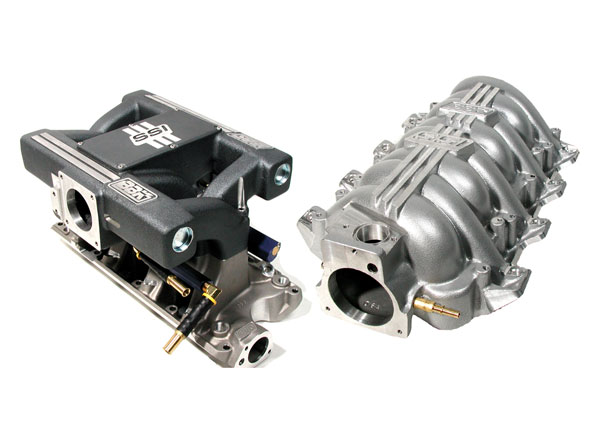
When it comes to improving fuel efficiency, car enthusiasts and engineers often look at key components like the fuel injectors, turbochargers, and transmission systems. However, one critical part that plays a significant role in how efficiently an engine burns fuel is the inlet manifold. While it’s often overlooked, the inlet manifold has a direct impact on both the fuel-air mixture and the overall efficiency of the engine.
In this article, we’ll explore how the design of the inlet manifold affects fuel efficiency, and why making the right choices when it comes to manifold modifications can lead to improved economy without compromising performance.
What is an Inlet Manifold?
The inlet manifold, also known as the intake manifold, is a vital component in the engine’s intake system. Positioned between the throttle body and the engine’s cylinders, the manifold is responsible for distributing air (and fuel, in some systems) evenly to each cylinder. By ensuring that each cylinder receives the correct amount of air, the manifold plays a crucial role in optimizing combustion, which directly affects fuel efficiency.
How Inlet Manifolds Affect Fuel Efficiency
- Airflow and Fuel-Air MixtureOne of the primary functions of the inlet manifold is to ensure that the air entering the engine is distributed evenly across all cylinders. The amount of air that enters the cylinder directly affects how much fuel is needed for combustion. An inefficient manifold design that causes uneven air distribution can lead to suboptimal fuel combustion, meaning more fuel is used than necessary to produce power.An optimized manifold design ensures that each cylinder receives the right amount of air, which allows for a more efficient fuel-air mixture. This means the engine can burn fuel more effectively, improving fuel efficiency without sacrificing power output.
- Airflow VelocityThe velocity of the air entering the engine is another important factor. When air enters the engine at a higher velocity, it mixes more thoroughly with the fuel, leading to better combustion. This is especially true in engines that rely on a precise fuel-air mixture for efficient operation.Inlet manifolds designed to increase airflow velocity can help create a more consistent and complete combustion process. As a result, the engine can burn fuel more efficiently, reducing wastage and improving fuel economy. On the other hand, a poorly designed manifold with restrictive airflow can lead to incomplete combustion, which can result in higher fuel consumption and reduced efficiency.
- Temperature RegulationThe temperature of the air entering the engine plays a significant role in fuel efficiency. Hot air is less dense than cold air, meaning it contains less oxygen, which can result in incomplete combustion and wasted fuel. The inlet manifold can help regulate the temperature of the air entering the cylinders, influencing the engine’s fuel efficiency.Manifolds made from materials like aluminum or composites can help dissipate heat more effectively, keeping the intake air cooler. Cooler air is denser, containing more oxygen, which can improve combustion efficiency. This can lead to better fuel efficiency as the engine operates more effectively and consumes less fuel to generate power.
- Intake Manifold VolumeThe volume of the inlet manifold is another factor that affects fuel efficiency. Larger manifolds allow more air to flow into the engine, which can improve power output, but they can also reduce airflow velocity, especially at lower RPMs. In engines designed for fuel efficiency, it’s important to strike a balance between manifold volume and airflow velocity to ensure the engine operates efficiently across a wide range of speeds.A manifold that is too large may cause a loss of fuel efficiency at lower RPMs because the engine has to work harder to draw in air. On the other hand, a smaller manifold may restrict airflow at higher RPMs, reducing power output. Choosing the right manifold volume is essential for optimizing both power and fuel efficiency, ensuring that the engine runs smoothly and efficiently under various driving conditions.
- Engine Load and Throttle ResponseThrottle response is the engine’s ability to adjust the amount of air entering the cylinders in response to changes in throttle position. An efficient inlet manifold design ensures that the engine can adjust quickly and smoothly to changes in throttle input, improving fuel efficiency during acceleration and cruising.When the throttle response is smooth and precise, the engine can avoid unnecessary fuel consumption during sudden acceleration or deceleration. An optimized manifold ensures that the air enters the cylinders at just the right time and at the correct volume, allowing for more efficient fuel use. This is especially important when driving in stop-and-go traffic or during city driving, where throttle control plays a significant role in fuel economy.
Upgrading Your Inlet Manifold for Better Fuel Efficiency
For car enthusiasts looking to improve fuel efficiency, upgrading the inlet manifold can be an effective modification. Aftermarket manifolds are often designed to optimize airflow, reduce weight, and improve overall engine performance. Some modifications include:
- Porting and polishing the manifold to smooth out rough surfaces and reduce airflow resistance.
- Upgrading to larger diameter runners to improve airflow at higher RPMs, improving fuel combustion.
- Using materials that reduce heat soak, such as composite or aluminum, to help maintain cooler air intake temperatures for better combustion efficiency.
These modifications can lead to a more efficient engine, reducing fuel consumption and improving overall performance.
Conclusion
The inlet manifold may seem like a simple part of the engine, but its design has a significant impact on fuel efficiency. By optimizing airflow, regulating temperature, and ensuring a precise fuel-air mixture, the manifold helps the engine burn fuel more efficiently, reducing consumption and improving economy.
Whether you’re looking to improve fuel efficiency in a daily driver or make the most out of your performance engine, understanding the role of the inlet manifold is key. With the right modifications and tuning, you can maximize the efficiency of your engine, saving money at the pump while also enhancing performance.