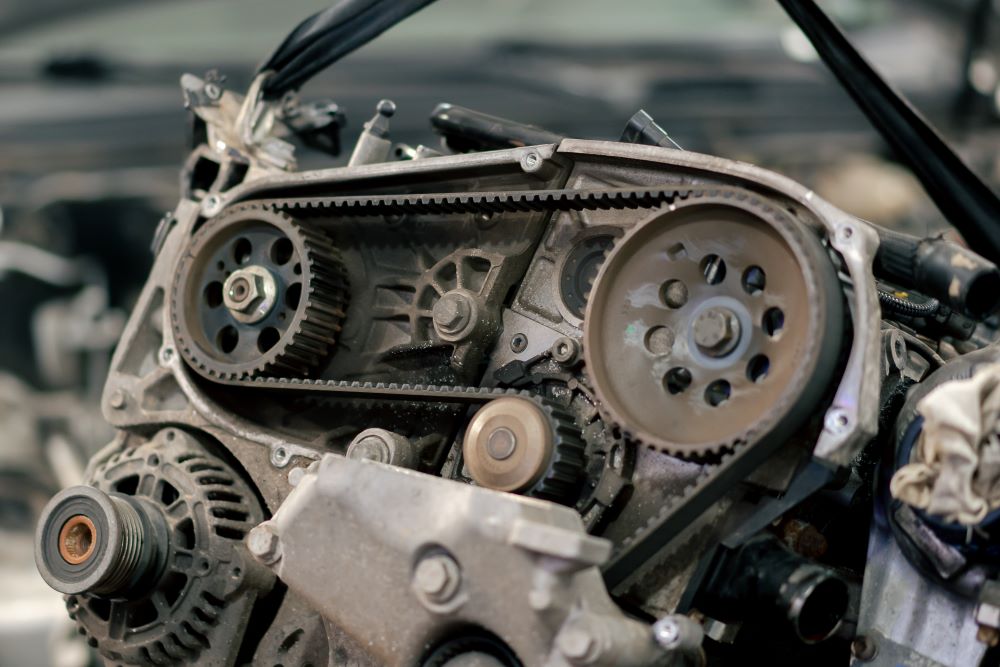
Your engine relies on perfect timing to run smoothly. At the heart of that precision is the timing belt or timing chain—components responsible for synchronizing the crankshaft and camshaft so valves and pistons move in harmony.
But these parts don’t operate in the open. They’re protected by an essential yet often overlooked component: the timing cover.
In this article, we’ll break down exactly how a timing cover protects your engine’s timing belt or chain—and why that protection is critical to long-term engine health.
Understanding the Timing System
Before diving into the cover itself, it helps to understand what it’s protecting.
The timing system includes:
- The timing belt or timing chain
- Camshaft sprockets
- Crankshaft sprocket
- Guides and tensioners
Together, these components ensure that:
- Valves open and close at the correct moment
- Pistons move without colliding with valves
- Combustion happens efficiently
Even slight disruption in this synchronization can lead to poor performance—or catastrophic engine damage.
What Is a Timing Cover?
The timing cover is a protective housing located at the front of the engine. It encloses the entire timing assembly and seals it off from the outside environment.
Depending on the vehicle, timing covers are made from:
- Aluminum
- Stamped steel
- Reinforced composite plastic
In timing chain engines, the cover also seals in engine oil, since chains run in a lubricated environment.
1. Shields Against Dirt and Debris
The engine bay is not a clean environment. Dust, road debris, water, and contaminants can enter exposed mechanical systems.
The timing cover:
- Creates a sealed barrier
- Prevents foreign material from entering
- Reduces premature wear
If debris enters the timing system, it can damage the belt or chain, cause misalignment, or increase friction.
2. Maintains Proper Lubrication (Timing Chains)
Timing chains require constant lubrication from engine oil. The timing cover works with gaskets and seals to:
- Keep oil contained within the timing area
- Maintain proper oil pressure
- Prevent oil leaks
Without a properly sealed timing cover, oil could escape, reducing lubrication and accelerating chain wear.
3. Protects Against Moisture and Corrosion
Moisture exposure can lead to:
- Rust on metal components
- Degradation of timing belt materials
- Tensioner malfunction
The timing cover keeps water and humidity out, preserving the integrity of the timing components over thousands of miles.
4. Reduces Noise and Vibration
Timing chains and belts generate mechanical noise during operation. The timing cover helps:
- Dampen sound
- Reduce vibration
- Stabilize components
In some engine designs, the timing cover even contributes to structural alignment and rigidity.
5. Supports Critical Engine Seals
The timing cover houses important seals, including:
- Front crankshaft seal
- Camshaft seals (in some designs)
These seals prevent oil leaks and maintain proper pressure within the engine.
If these seals fail, oil can leak onto belts, pulleys, and other components—leading to further damage.
Timing Belt vs. Timing Chain: Why Protection Matters
Timing Belt Engines
- Belts are typically dry (not lubricated with engine oil).
- They are more sensitive to contamination.
- Oil or debris can quickly degrade belt material.
A compromised timing cover can shorten belt lifespan significantly.
Timing Chain Engines
- Chains run in oil.
- They are more durable but rely heavily on proper lubrication.
- Oil leaks from a failing cover can cause accelerated chain stretch or tensioner failure.
Both systems depend heavily on the timing cover’s integrity.
What Happens If the Timing Cover Fails?
A cracked or leaking timing cover can result in:
- Oil leaks
- Contaminated timing components
- Increased wear
- Timing misalignment
- Potential engine failure
In interference engines, timing failure can cause pistons and valves to collide—resulting in severe and expensive damage.
Warning Signs of Timing Cover Problems
Be alert for:
- Oil leaking from the front of the engine
- Burning oil smell
- Unusual engine noise
- Visible cracks in the cover
- Low oil levels
Early detection can prevent major repairs.
Why This Small Part Has a Big Impact
The timing cover may seem like a simple protective shell, but its role is critical. It:
- Safeguards precision timing components
- Maintains lubrication
- Prevents contamination
- Protects against catastrophic engine damage
Without it, your timing belt or chain would be exposed to harsh operating conditions—and your engine’s reliability would suffer dramatically.
Final Thoughts
Your engine’s timing system operates with incredible precision. The timing cover ensures that this precision isn’t compromised by external elements, oil leaks, or contamination.
If you notice signs of oil leakage or unusual noise from the front of your engine, don’t ignore it. Addressing timing cover issues early can protect your timing belt or chain—and save you from costly engine repairs down the road.