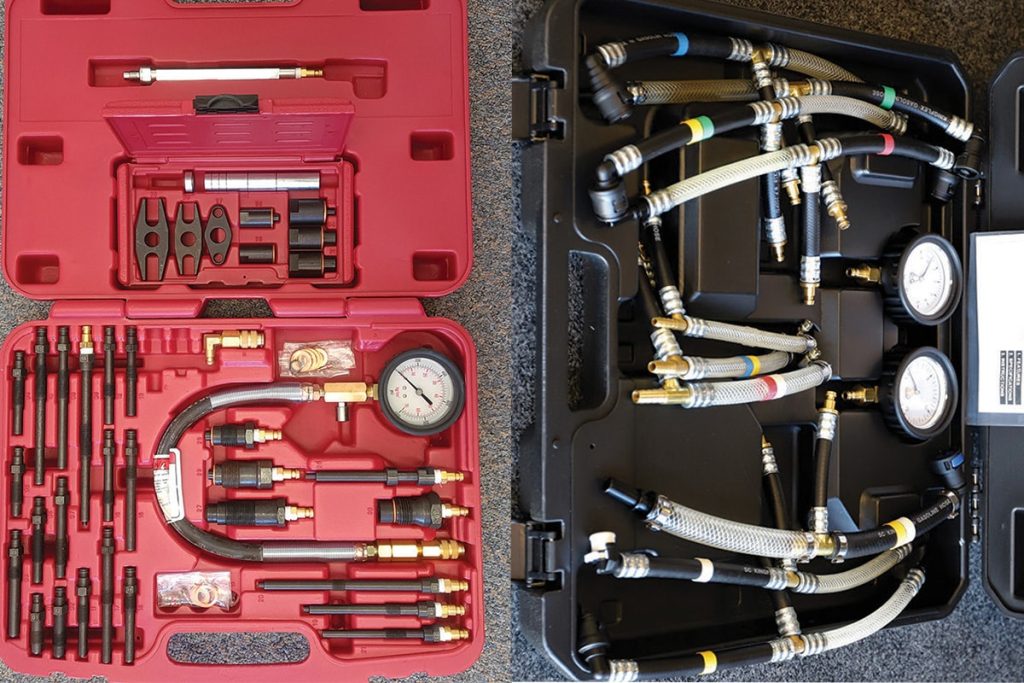
Modern vehicles rely on precision-engineered fuel systems to deliver optimal performance, fuel economy, and emissions control. When a fuel system starts to fail, it can result in a wide range of issues—from rough idling and hard starts to engine misfires and reduced fuel efficiency. For professional mechanics and serious DIYers, fuel system diagnostics is an essential skill, requiring the right tools, techniques, and a systematic approach.
In this article, we’ll cover the most effective tools and methods used to diagnose fuel system problems, helping you accurately identify issues and make informed repairs.
Why Fuel System Diagnostics Matter
A poorly performing fuel system can mimic other mechanical or electrical issues, leading to misdiagnosis and wasted time or money. Proper diagnostics:
- Pinpoint the exact problem (e.g., clogged injector vs. weak fuel pump)
- Prevent unnecessary parts replacement
- Reduce repair time
- Improve customer satisfaction and trust
- Ensure long-term engine health and fuel efficiency
Common Fuel System Issues That Require Diagnosis
- Hard starting or no-start conditions
- Loss of power under load
- Engine stalling or hesitation
- Poor fuel economy
- Rough idling or misfires
- Check Engine Light with fuel-related codes (e.g., P0171, P0174)
Essential Fuel System Diagnostic Tools
🔧 1. Fuel Pressure Gauge
Purpose: Measures the pressure in the fuel rail or line.
Use:
- Connect to the Schrader valve or fuel rail.
- Compare readings to manufacturer specs (usually 30–70 PSI for gasoline engines).
- Check pressure at idle, under load, and during cranking.
Diagnoses:
- Weak or failing fuel pump
- Blocked fuel filter
- Faulty fuel pressure regulator
🔧 2. Scan Tool / OBD-II Diagnostic Scanner
Purpose: Reads engine trouble codes and live data from sensors.
Use:
- Scan for fuel-related DTCs (e.g., lean/rich conditions).
- Monitor live fuel trim data, injector pulse width, oxygen sensor output, and fuel pressure sensor readings.
Diagnoses:
- Fuel injector problems
- Sensor failures (O2, MAF, MAP)
- ECU or fuel trim issues
🔧 3. Noid Light or Injector Pulse Tester
Purpose: Tests if fuel injectors are receiving signals from the ECU.
Use:
- Plug into the injector connector.
- Crank the engine and watch for flashing light (indicates proper signal).
Diagnoses:
- Faulty injector wiring
- ECU output failure
- Intermittent injector signal
🔧 4. Fuel Volume Test Kit
Purpose: Measures the actual volume of fuel delivered by the pump over a set time.
Use:
- Disconnect the fuel line at the rail.
- Run the pump and measure how much fuel is delivered in 10 or 15 seconds.
Diagnoses:
- Partially failing fuel pump
- Fuel line obstructions
- Fuel starvation under load
🔧 5. Smoke Machine (for EVAP & Fuel Vapor Leaks)
Purpose: Detects leaks in sealed systems like EVAP and fuel vapor lines.
Use:
- Introduce smoke into the EVAP system or fuel tank vent lines.
- Watch for escaping smoke to find leaks.
Diagnoses:
- Leaking gas caps, lines, or EVAP components
- Triggered emissions-related check engine lights
🔧 6. Multimeter or Lab Scope
Purpose: Electrical diagnostics of fuel system components.
Use:
- Test voltage at the fuel pump
- Check resistance of fuel injectors
- Use lab scope to view fuel pump waveforms or injector pulses
Diagnoses:
- Dead fuel pump
- Electrical open/short circuits
- Weak injector coil or solenoid
Diagnostic Techniques and Procedures
✅ 1. Start with the Basics
- Check for obvious signs like fuel leaks, damaged lines, or a blown fuse.
- Verify there’s fuel in the tank (sounds obvious—but it happens!).
✅ 2. Check Fuel Pressure
- Use a gauge to confirm pressure is within spec.
- Test during key-on, cranking, idle, and under load.
✅ 3. Inspect Fuel Trim Data
- Use a scan tool to analyze short-term (STFT) and long-term (LTFT) fuel trim values.
- Values significantly above or below ±10% may indicate lean/rich conditions.
✅ 4. Test Injectors
- Listen for clicking with a mechanic’s stethoscope.
- Use noid lights to verify pulse signal.
- Perform balance tests by disabling one injector at a time (via scan tool or manually).
✅ 5. Perform Volume Testing
- If pressure is good but performance is poor, measure flow rate.
- Low volume indicates fuel pump fatigue or restriction.
✅ 6. Check Electrical Circuits
- Test for voltage and ground at the pump or injectors.
- Inspect connectors, fuses, and relays.
Pro Tips for Mechanics
- Always use OEM specifications when diagnosing—guesswork leads to misdiagnosis.
- Document findings for your records and customer reports.
- Compare cylinder performance when diagnosing multiple injector issues.
- Consider fuel contamination (e.g., water, ethanol separation) when performance issues appear suddenly.
- Don’t forget EVAP codes—they can also relate to fuel system problems.
Conclusion
Fuel system diagnostics require a combination of the right tools, technical knowledge, and a logical process. Whether you’re working on a no-start condition or chasing a rough idle, thorough testing and accurate data are key to solving problems efficiently.
By mastering these tools and techniques, mechanics can avoid unnecessary parts replacement, speed up repairs, and improve their diagnostic accuracy—saving time and building trust with every job.