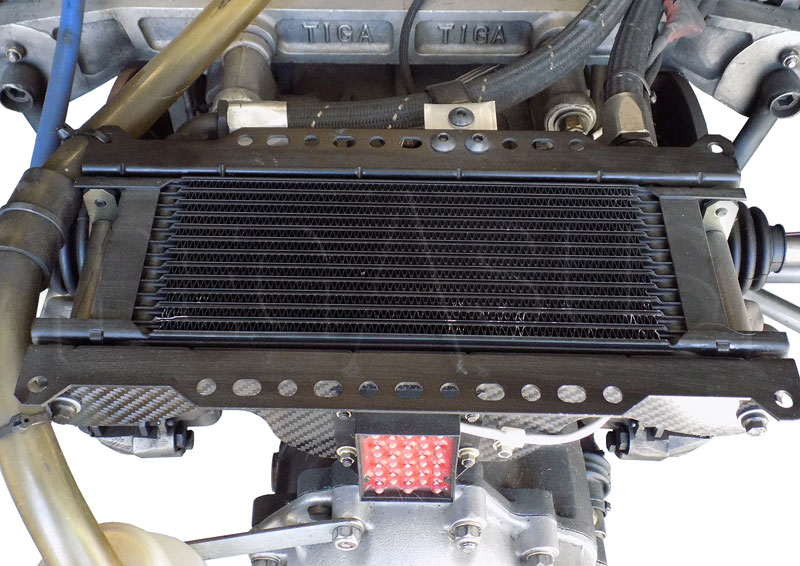
Engines are amazing machines, but they also generate a lot of heat. Managing that heat is crucial for performance, longevity, and safety. While most people are familiar with radiators and coolant, there’s another often-overlooked player in engine temperature management: the oil cooler. Let’s break down how engine heat works and why oil coolers play an essential role.
Why Engines Get Hot
Combustion engines burn fuel to generate power. That process creates energy—and heat. In fact, only a fraction of the energy from fuel is converted to motion; the rest turns into heat.
Some of this heat is absorbed by engine components, some is carried away by coolant, and some is handled by the engine oil. If this heat isn’t managed properly, it can cause:
- Reduced engine efficiency
- Premature wear on moving parts
- Oil breakdown
- Warping of metal components
- Engine failure in extreme cases
The Role of Engine Oil in Heat Management
Most drivers think engine oil is just for lubrication, but it actually plays a critical role in managing heat. Oil:
- Lubricates moving parts to reduce friction, which generates heat.
- Absorbs heat from critical engine components.
- Transfers heat to the oil pan, radiator (in some designs), or oil cooler.
Oil works best within a certain temperature range—usually between 180°F and 220°F (82°C–104°C) for conventional engines. Above that, oil thins and loses its protective properties. Below that, oil may be too thick to flow efficiently.
How Traditional Cooling Systems Work
Most cars rely primarily on coolant-based cooling systems:
- Coolant absorbs heat from the engine block and cylinder heads.
- The radiator dissipates that heat into the air.
- Fans and thermostats regulate flow and temperature.
This system keeps the engine block itself from overheating, but it doesn’t always control the temperature of the oil efficiently, especially under high stress.
Where Oil Coolers Fit In
This is where oil coolers come into play. An oil cooler is essentially a radiator for engine oil. Its job is to:
- Remove excess heat from oil
- Maintain a stable oil temperature
- Ensure consistent lubrication and protection
By regulating oil temperature, oil coolers complement the main cooling system rather than replace it. While coolant keeps the engine metal cool, the oil cooler keeps the oil—and the engine’s moving parts it lubricates—within optimal temperature ranges.
Types of Oil Coolers
There are two main types:
- Air-to-Oil Coolers
- Oil passes through thin tubes or plates exposed to airflow.
- Heat dissipates as air flows over the cooler, often mounted near the radiator or front grille.
- Water-to-Oil Coolers
- Oil passes through a heat exchanger connected to the engine’s coolant system.
- Heat transfers from oil to coolant, which is then cooled in the radiator.
Both methods aim to reduce oil temperature without interfering with normal engine operation.
When Oil Coolers Become Important
Not every car needs one. Oil coolers are most beneficial for:
- Performance or turbocharged engines: Generate more heat and require tighter oil temperature control.
- Towing or hauling heavy loads: Extended high load increases engine heat.
- Track or spirited driving: High RPMs and aggressive acceleration push oil temperatures higher.
- Hot climates or stop-and-go traffic: Engines run hotter and need extra cooling support.
In these situations, an oil cooler prevents oil breakdown, reduces engine wear, and maintains consistent performance.
Signs Your Engine Might Benefit from an Oil Cooler
- Oil temperature consistently rises above normal limits
- Oil breaks down faster than expected
- Your engine is turbocharged, modified, or used for towing
- You notice power reduction or engine heat warnings during heavy use
Monitoring oil temperature can help you determine if your engine would benefit from additional cooling.
The Bottom Line
Engine heat is inevitable, but managing it is critical. While radiators and coolant handle the engine block, oil coolers manage the temperature of the oil that keeps your engine lubricated and protected. Together, these systems ensure your engine runs efficiently, reliably, and safely—even under high-stress conditions.
Think of oil coolers as unsung heroes of engine health: invisible, but essential for keeping everything running smoothly.