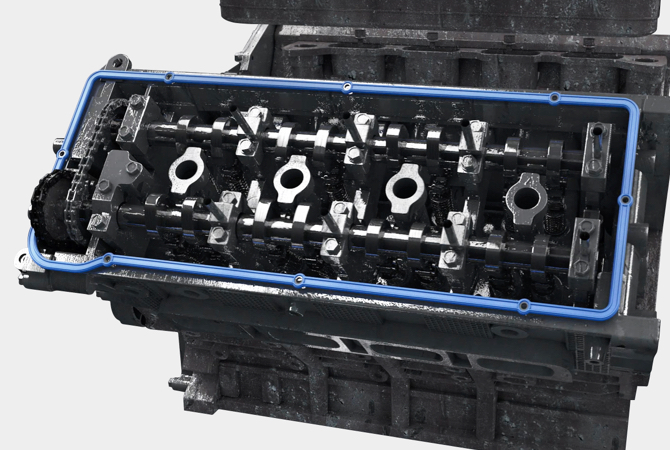
For car enthusiasts, the engine bay is more than just a functional space—it’s an opportunity to show off style and craftsmanship. Valve covers are one of the easiest ways to enhance your engine’s look, and with the right tools and techniques, you can install and paint them like a pro. This DIY guide will walk you through the process step by step.
Why Upgrade or Paint Valve Covers?
Valve covers protect your engine’s cylinder head and prevent oil leaks, but they also provide a surface for customization. Painting or upgrading your valve covers can:
- Enhance your engine bay aesthetics
- Prevent corrosion on old or worn covers
- Add a personalized touch to your car build
Tools and Materials You’ll Need
Before starting, gather the following tools and materials:
- Socket set and wrenches
- Screwdrivers
- Engine degreaser and brushes
- Sandpaper (220–400 grit)
- Painter’s tape and masking paper
- High-temperature engine paint
- Primer (heat-resistant)
- Clear coat (optional for extra shine)
- New valve cover gasket
Step 1: Remove the Old Valve Covers
- Cool the Engine – Never work on a hot engine to avoid burns.
- Disconnect Components – Remove any hoses, wires, or brackets attached to the valve cover.
- Unbolt the Cover – Use a socket or wrench to carefully remove all bolts.
- Remove the Gasket – Take off the old gasket and clean the mating surface.
Step 2: Clean and Prep the Covers
- Degrease – Spray engine degreasehttps://www.instructables.com/How-to-Paint-Your-Valve-Cover-1/r and scrub to remove oil, dirt, and grime.
- Sand – Lightly sand the surface to create a texture for the paint to adhere.
- Masking – Use painter’s tape to cover areas you don’t want painted.
Step 3: Prime the Valve Covers
Apply a high-temperature primer to ensure paint adheres properly and withstands engine heat. Spray evenly and allow to dry according to the manufacturer’s instructions.
Step 4: Paint the Valve Covers
- Shake your high-temperature paint thoroughly.
- Apply light, even coats to prevent drips.
- Allow each coat to dry before applying the next.
- Consider multiple thin layers instead of one thick layer for a professional finish.
Step 5: Apply Clear Coat (Optional)
For extra durability and shine, spray a heat-resistant clear coat. This step is optional but recommended for show-quality finishes.
Step 6: Reinstall the Valve Covers
- Place a new gasket on the cylinder head.
- Position the painted valve cover and hand-tighten bolts in a crisscross pattern to avoid warping.
- Reattach hoses, wires, and brackets.
- Start the engine and check for leaks or loose components.
Tips for a Professional Finish
- Work in a well-ventilated area to avoid fumes.
- Wear gloves to prevent fingerprints on the painted surface.
- Take your time—rushing can lead to runs, drips, or uneven coverage.
- Consider custom colors or designs to make your engine bay unique.
Final Thoughts
Painting and installing valve covers is a satisfying DIY project that elevates both the appearance and value of your car. With careful preparation, quality materials, and patience, you can achieve a professional-looking engine bay without paying for a custom shop job. Whether restoring a classic car or upgrading a modern engine, this guide ensures your valve covers shine like they belong in a magazine.