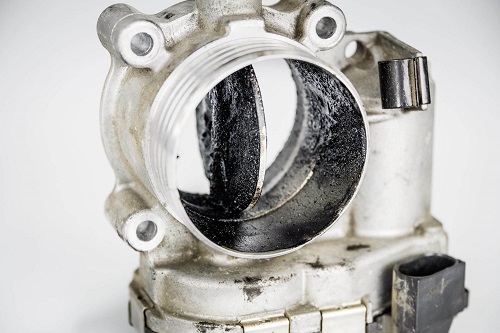
The throttle body is a key component in your engine, controlling airflow to ensure proper combustion. When it malfunctions, your car may exhibit symptoms like rough idle, poor acceleration, or even trigger the check engine light. Knowing the common throttle body problems and how to address them can save you time, money, and prevent further engine issues.
🔧 What the Throttle Body Does
The throttle body regulates air entering the engine based on input from the accelerator pedal. Modern vehicles typically use electronic throttle bodies (ETB) with sensors and motors controlling the throttle plate. Older vehicles may have cable-operated throttle bodies.
When the throttle body fails, it affects the air-fuel mixture, causing performance issues and warning lights.
⚠️ Common Throttle Body Problems
1. Carbon Buildup
Cause: Over time, oil vapors and combustion byproducts accumulate on the throttle plate and bore.
Symptoms:
- Rough or fluctuating idle
- Hesitation during acceleration
- Poor fuel economy
Fix: - Remove the air intake tube
- Clean the throttle body with throttle body cleaner and a microfiber cloth
- Perform a throttle relearn if required
2. Throttle Position Sensor (TPS) Failure
Cause: The TPS measures the position of the throttle plate and sends data to the ECU. A faulty sensor misreports throttle position.
Symptoms:
- Check engine light with codes like P0121
- Unstable idle
- Delayed throttle response
Fix: - Test the sensor with a multimeter
- Replace if readings are out of spec
3. Electronic Throttle Actuator Malfunction
Cause: In ETBs, the actuator motor may fail or stick due to wear or carbon buildup.
Symptoms:
- Limp mode activation
- Engine stalling at idle
- Inconsistent throttle response
Fix: - Clean the throttle body
- If problem persists, replace the throttle body or actuator motor
4. Sticking or Stiff Throttle Plate
Cause: Mechanical binding from debris, carbon, or corrosion.
Symptoms:
- Rough idle
- Hesitation during acceleration
- Sudden surges in RPM
Fix: - Gently clean the throttle plate and bore
- Lubricate moving parts if recommended by the manufacturer
5. Faulty Wiring or Connections
Cause: Loose, corroded, or damaged wiring to the throttle body or sensors.
Symptoms:
- Intermittent check engine light
- Stalling or sudden surges
- Erratic throttle response
Fix: - Inspect wiring harness and connectors
- Clean corrosion and secure connections
- Repair damaged wires
🛠 How to Diagnose Throttle Body Problems
- Visual Inspection: Look for carbon buildup, debris, or damaged connectors.
- OBD-II Scan: Check for trouble codes like P0121, P2111, P2112, or P0505.
- Throttle Response Test: Manually or electronically open the throttle and check for smooth movement.
- Idle Behavior: Observe if the idle is steady or fluctuating.
💡 Preventive Tips
- Clean the throttle body every 30,000–50,000 miles
- Replace air filters regularly to prevent debris buildup
- Address rough idle or hesitation promptly
- Check and maintain battery and ECU connections
🏁 When to Seek Professional Help
Some throttle body issues require specialized tools or replacement parts. You should consult a professional if:
- The check engine light persists after cleaning
- Limp mode is active
- Relearn procedures fail
- There are electronic actuator or wiring faults
✅ Final Thoughts
Throttle body problems are common, but most are preventable and often fixable with regular maintenance. From carbon buildup to sensor failures, knowing the symptoms and fixes ensures smoother idle, better throttle response, and fewer check engine lights. Regular inspections and cleaning can save costly repairs and keep your car performing at its best.