The intake manifold is a vital part of your vehicle’s engine system, ensuring air (and sometimes fuel) reaches each cylinder efficiently for combustion. However, over time, intake manifolds can develop issues that impact engine performance, fuel efficiency, and drivability. Understanding common intake manifold problems and how to fix them can help you maintain your vehicle’s health and avoid costly repairs.
What Does the Intake Manifold Do?
The intake manifold distributes air from the throttle body to the engine’s cylinders. In some engines, it also channels coolant to regulate temperature. Because it works under constant heat and pressure, it’s susceptible to wear and damage.
Common Intake Manifold Problems
Here are some of the most frequent issues that can arise with intake manifolds:
1. Intake Manifold Gasket Leaks
The intake manifold gasket seals the connection between the manifold and the engine block. Over time, the gasket can deteriorate due to heat, pressure, or age, causing leaks.
Symptoms:
- Rough idle or engine misfires
- Decreased engine performance
- Coolant leaks near the manifold
- Check Engine Light (CEL) activation
How to Fix:
Replacing the intake manifold gasket is the typical solution. This involves removing the manifold, cleaning the surfaces, and installing a new gasket with proper torque specifications.
2. Cracks in the Intake Manifold
Heat and stress can cause the intake manifold, especially those made from plastic or aluminum, to crack. Cracks allow unmetered air to enter the engine, causing performance problems.
Symptoms:
- Hissing or sucking noises from the engine bay
- Engine hesitation or stalling
- Increased fuel consumption
- Check Engine Light on
How to Fix:
Minor cracks may be repaired with special sealants or welding (for metal manifolds), but most cracks require complete intake manifold replacement.
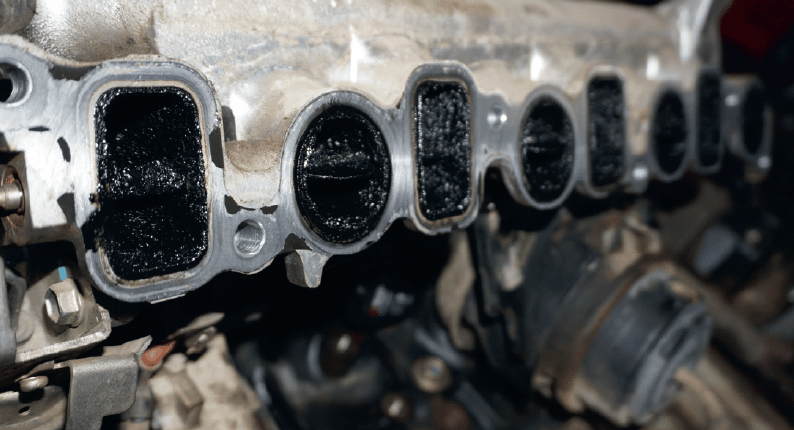
3. Carbon Buildup Inside the Manifold
Over time, carbon deposits from combustion can accumulate inside the intake manifold, restricting airflow and impacting engine efficiency.
Symptoms:
- Reduced engine power
- Rough idling or misfires
- Poor throttle response
How to Fix:
Carbon buildup can be cleaned using professional intake manifold cleaning services or DIY methods involving intake cleaners. Severe buildup might require manifold removal for thorough cleaning.
4. Coolant Leaks Through the Intake Manifold
In many engines, the intake manifold also carries coolant. A damaged manifold or failing gasket can lead to coolant leaks.
Symptoms:
- Overheating engine
- Sweet smell around the engine bay
- Visible coolant puddles near the manifold
- White smoke from the exhaust
How to Fix:
Inspecting and replacing the faulty gasket or intake manifold is necessary to stop leaks and prevent engine overheating.
5. Faulty Intake Manifold Runner Control (IMRC)
Some modern intake manifolds have variable runner systems to optimize airflow at different RPMs. If the runner control system malfunctions, it can cause performance issues.
Symptoms:
- Rough idle
- Loss of power at certain RPM ranges
- Check Engine Light comes on
How to Fix:
Diagnose the IMRC system using a scan tool and repair or replace faulty actuators, sensors, or control valves as needed.
How to Prevent Intake Manifold Problems
Proper maintenance can help extend the life of your intake manifold:
- Regularly check for coolant leaks and unusual engine noises
- Keep up with scheduled engine coolant flushes and replacements
- Use quality gaskets and parts during repairs
- Avoid overheating by maintaining the cooling system
- Perform intake system cleaning as part of routine maintenance
When to See a Mechanic
If you notice symptoms such as rough idling, engine misfires, coolant leaks, or the Check Engine Light, have your vehicle inspected promptly. Early diagnosis can prevent more severe damage and higher repair costs.
Conclusion
The intake manifold is a key engine component prone to several common problems like gasket leaks, cracks, carbon buildup, and coolant leaks. Recognizing these issues early and knowing how to address them can help keep your vehicle running smoothly and efficiently. Whether you opt for repairs or replacement, regular maintenance and inspections are crucial for the longevity of your intake manifold and overall engine health.