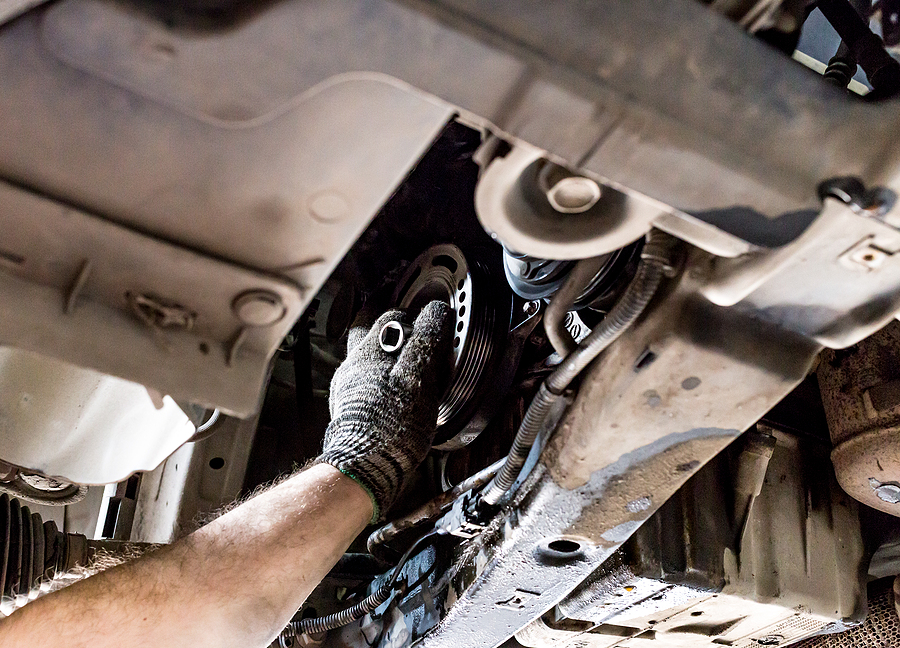
The fuel system is the heart of any vehicle’s engine, responsible for delivering the right amount of fuel to keep the engine running smoothly. When something goes wrong with this system, it can lead to poor performance, reduced fuel efficiency, and even engine damage. Understanding common fuel system problems and how to fix them can save you time, money, and headaches. Here’s a guide to help you identify and address the most frequent fuel system issues.
1. Fuel Pump Failure
Symptoms:
- Engine sputtering at high speeds
- Difficulty starting the vehicle
- Loss of power during acceleration
- Engine stalling unexpectedly
Causes:
Fuel pumps can wear out over time or fail due to contamination or electrical issues.
How to Fix:
- Check the fuel pump fuse and relay first to ensure electrical components are functioning.
- Replace the fuel pump if it’s faulty. This often requires removing the fuel tank, so it may be best left to a professional mechanic.
- Regularly use clean fuel and avoid running your tank too low to extend the pump’s life.
2. Clogged Fuel Filter
Symptoms:
- Engine hesitation or sputtering
- Decreased fuel efficiency
- Difficulty starting the vehicle
- Engine misfires
Causes:
Fuel filters trap dirt and debris but can become clogged over time, restricting fuel flow.
How to Fix:
- Replace the fuel filter as part of routine maintenance—usually every 20,000 to 40,000 miles, depending on your vehicle.
- If the filter is clogged, replacing it should restore fuel flow and engine performance.
3. Faulty Fuel Injectors
Symptoms:
- Rough idling or engine misfires
- Poor acceleration
- Increased fuel consumption
- Check engine light is on
Causes:
Fuel injectors can become clogged or fail due to dirt, corrosion, or wear.
How to Fix:
- Use a fuel injector cleaner additive regularly to keep injectors clear.
- For severely clogged or damaged injectors, professional cleaning or replacement is necessary.
- Perform injector testing using specialized equipment if symptoms persist.
4. Fuel Leaks
Symptoms:
- Strong smell of gasoline near the vehicle
- Visible fuel puddles underneath
- Decreased fuel efficiency
- Vehicle hesitation or stalling
Causes:
Leaks can occur due to cracked fuel lines, loose connections, or damaged seals.
How to Fix:
- Inspect fuel lines, connections, and seals for visible damage.
- Replace damaged hoses or seals immediately to prevent fire hazards.
- Tighten loose fittings or clamps.
- If you suspect a leak but can’t find it, have a professional perform a pressure test on the fuel system.
5. Dirty or Faulty Fuel Pressure Regulator
Symptoms:
- Black smoke from the exhaust
- Poor fuel economy
- Engine performance issues
- Fuel leaks near the regulator
Causes:
The fuel pressure regulator controls the pressure delivered to the injectors. A faulty or dirty regulator can cause too much or too little fuel delivery.
How to Fix:
- Clean or replace the fuel pressure regulator if you notice abnormal pressure readings.
- Use a fuel pressure gauge to test the system and verify proper operation.
6. Contaminated Fuel
Symptoms:
- Engine sputtering or stalling
- Loss of power
- Difficulty starting
- Check engine light
Causes:
Water, dirt, or other contaminants in fuel can disrupt combustion and damage fuel system components.
How to Fix:
- Drain contaminated fuel from the tank.
- Replace fuel filters.
- Refill with clean, high-quality fuel.
- Use fuel additives designed to remove water and impurities.
Preventative Maintenance Tips
- Use high-quality fuel to minimize contaminants.
- Replace fuel filters regularly based on your vehicle manufacturer’s recommendations.
- Add fuel system cleaners periodically to maintain injector cleanliness.
- Avoid letting your fuel tank run very low, which can cause the fuel pump to overheat and draw in debris.
- Schedule routine inspections to catch problems early.
When to See a Professional
While some fuel system problems can be fixed at home, others require specialized tools and expertise. If you notice persistent issues, warning lights on your dashboard, or if you’re unsure about a repair, it’s best to consult a certified mechanic to avoid costly damage.