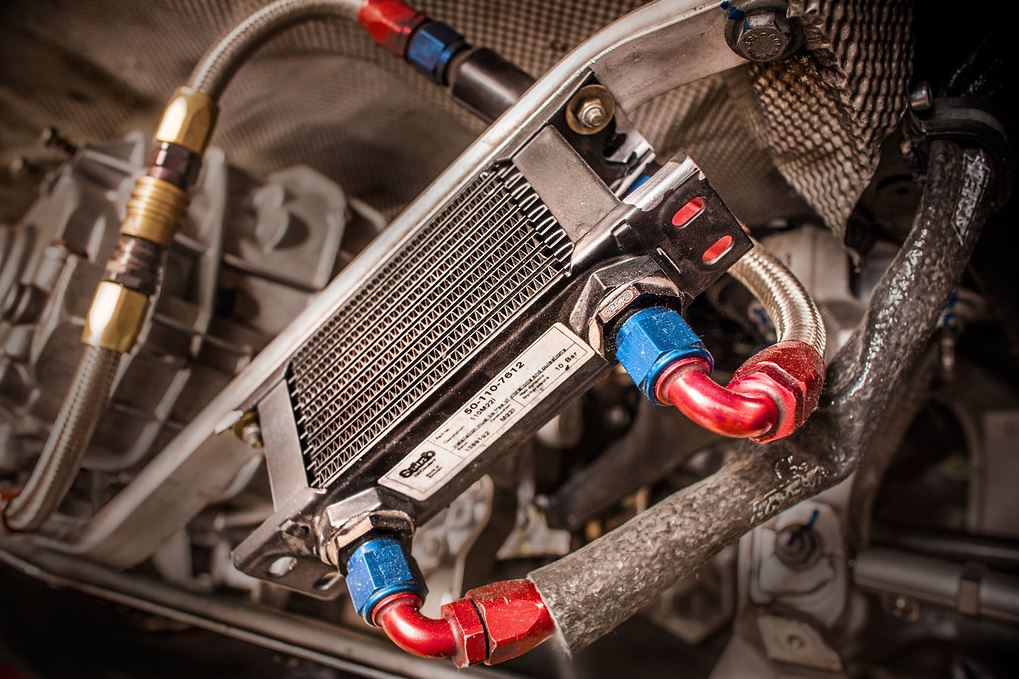
Your engine oil does a lot more than just lubricate—it helps carry heat away from moving parts, keeps friction low, and protects critical components. But under stress, even the best oil can get too hot. That’s where oil coolers come in.
Choosing the right oil cooler isn’t just about picking the biggest or flashiest unit. It’s about matching your cooler to how you drive. Let’s break down how to select the perfect fit for your car, truck, or SUV.
Why Your Driving Style Matters
Not all engines need the same level of cooling. How you use your vehicle—commuting, towing, spirited driving, or track days—affects how much heat your oil generates.
Here’s the key: The hotter your oil gets, the faster it degrades and loses viscosity. When that happens, your engine faces increased wear and reduced performance. Choosing the right oil cooler ensures your oil stays within a safe temperature range, tailored to your driving conditions.
Step 1: Understand Your Oil Cooling Needs
Consider these factors:
- Daily commuting: Short trips, stop-and-go traffic, and light loads usually don’t require an oil cooler. Most modern engines can handle these conditions.
- Performance driving or track use: High RPMs, turbocharged engines, and aggressive acceleration generate a lot of heat. A high-capacity oil cooler can prevent oil from thinning under extreme conditions.
- Towing or hauling: Trucks and SUVs under heavy loads produce extra engine stress. A medium-to-large oil cooler helps maintain oil temperature and engine longevity.
- Extreme climates: Hot environments or mountainous driving can increase oil temperature even during normal driving. An oil cooler can provide extra peace of mind.
Step 2: Choose the Type of Oil Cooler
There are two primary designs:
1. Air-to-Oil Coolers
- How they work: Oil flows through a series of tubes or plates cooled by airflow across fins.
- Best for: High-performance cars, street/track hybrids, and vehicles with good airflow in the engine bay.
- Pros: Simple installation, effective at high speeds, reliable.
- Cons: Less effective at very low speeds or stop-and-go traffic unless paired with a fan.
2. Water-to-Oil Coolers
- How they work: Oil flows through a heat exchanger that uses engine coolant to transfer heat away.
- Best for: Turbocharged engines, heavy-duty trucks, and long-haul or towing applications.
- Pros: Works consistently regardless of speed, integrates with existing cooling system.
- Cons: Slightly more complex installation, requires proper coolant management.
Step 3: Consider Oil Cooler Size and Capacity
- Small coolers: Suitable for mild performance upgrades or occasional heavy use.
- Medium coolers: Ideal for regular towing, spirited driving, or modified engines.
- Large coolers: Needed for high-performance or extreme load conditions.
Remember: Bigger isn’t always better. Oversized coolers can overcool oil in cold climates, leading to poor lubrication during startup. Match size to your engine, oil capacity, and driving style.
Step 4: Check Compatibility and Installation
- Ensure the cooler fits in your engine bay or front grille area.
- Verify that hoses, fittings, and adapters are compatible with your vehicle’s oil system.
- For aftermarket upgrades, follow manufacturer instructions carefully or have a professional install it.
Proper installation ensures the oil cooler works efficiently and avoids leaks or pressure issues.
Step 5: Monitor Oil Temperature
Once installed, monitor your oil temperature to ensure the cooler is doing its job:
- Street driving: Oil should stabilize within recommended temperature ranges.
- Towing/performance driving: Check that peak temperatures don’t exceed safe limits.
If your oil stays too hot or too cold, you may need to adjust cooler size, airflow, or placement.
Tips for Maintaining Your Oil Cooler
- Clean air-to-oil cooler fins regularly to maintain airflow.
- Inspect hoses, fittings, and mounting points for wear or leaks.
- Use quality oil and follow recommended change intervals, as oil cooler efficiency depends on healthy oil.
The Bottom Line
Choosing the right oil cooler isn’t just about protecting your engine—it’s about matching cooling capacity to your driving style. Daily drivers may need little more than the stock system, while performance enthusiasts, tow-heavy drivers, and turbocharged engine owners will benefit from properly sized and installed oil coolers.
By selecting the right type, size, and setup, you’ll maintain oil temperature, protect your engine, and ensure reliable performance no matter how you drive.