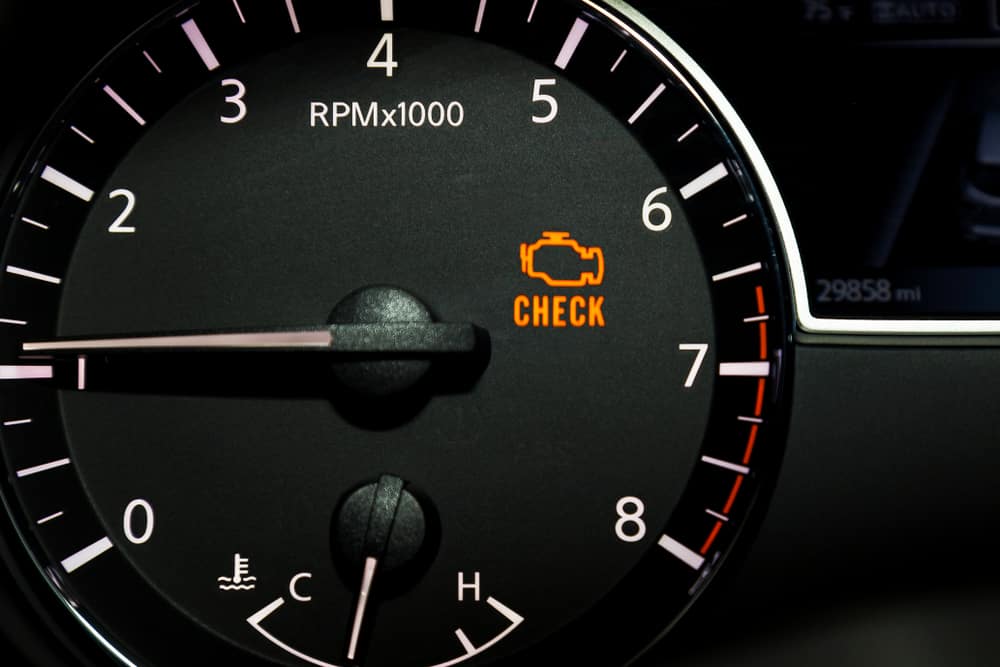
Few things make drivers more anxious than seeing the check engine light illuminate on the dashboard. While the issue could range from minor to serious, one commonly overlooked cause is a dirty or failing throttle body. Check Engine Light On? Here’s How the Throttle Body Could Be Involved
If your check engine light is on and you’re also noticing rough idle, hesitation, or poor acceleration, your throttle body may be part of the problem.
Let’s break down how it’s connected — and what you should do next.
🔧 What Does the Throttle Body Do?
The throttle body controls the amount of air entering your engine. When you press the accelerator, the throttle plate opens to allow more airflow, which the engine computer (ECU) balances with fuel to maintain proper combustion.
Most modern vehicles use electronic throttle control (drive-by-wire) systems, meaning sensors and electric motors control the throttle instead of a cable.
When this system isn’t working properly, your engine’s air-fuel mixture can become unstable — triggering the check engine light.
🚨 How the Throttle Body Triggers the Check Engine Light
Your vehicle constantly monitors throttle position, airflow, and idle control. If it detects irregular readings, it stores a trouble code and activates the warning light.
Common throttle-related OBD-II codes include:
- P0121 – Throttle Position Sensor performance issue
- P0505 – Idle Control System malfunction
- P2111 – Throttle actuator stuck open
- P2112 – Throttle actuator stuck closed
- P2101 – Throttle actuator control motor range/performance
These codes indicate the throttle body, throttle position sensor (TPS), or actuator motor may not be functioning correctly.
⚠️ Symptoms That Point to the Throttle Body
If your check engine light is caused by a throttle body issue, you may also notice:
- Rough or unstable idle
- Sluggish acceleration
- Hesitation when pressing the gas
- Stalling at stoplights
- Reduced fuel efficiency
- Limp mode activation
In some vehicles — such as the Chevrolet Malibu and Ford F-150 — electronic throttle systems can develop carbon buildup or actuator issues that trigger warning codes over time.
🧼 The Most Common Cause: Carbon Buildup
Over time, oil vapors from the PCV system and normal combustion byproducts create carbon deposits inside the throttle body.
This buildup can:
- Restrict airflow at idle
- Interfere with throttle plate movement
- Cause inaccurate sensor readings
- Disrupt idle speed control
When airflow doesn’t match what the ECU expects, it detects a problem and turns on the check engine light.
🔍 How to Diagnose the Problem
Before replacing parts, follow these steps:
1. Scan the Trouble Codes
Use an OBD-II scanner to read stored codes. This helps determine whether the issue is throttle-related or something else.
2. Inspect the Throttle Body
Remove the intake tube and visually check for heavy carbon buildup around the throttle plate and bore.
3. Check for Other Causes
The check engine light could also be triggered by:
- Vacuum leaks
- Faulty MAF sensor
- Bad spark plugs or ignition coils
- Fuel delivery problems
- Oxygen sensor issues
Proper diagnosis prevents unnecessary part replacement.
🛠 How to Fix a Throttle Body Issue
✔️ Step 1: Clean the Throttle Body
In many cases, cleaning the throttle body resolves the issue.
- Disconnect the battery
- Remove the intake tube
- Use throttle body cleaner and a microfiber cloth
- Gently clean the throttle plate and bore
- Reassemble and allow idle relearn
✔️ Step 2: Perform a Throttle Relearn
Some vehicles require a relearn procedure after cleaning or replacing the throttle body to recalibrate idle and throttle position. Check Engine Light On? Here’s How the Throttle Body Could Be Involved
✔️ Step 3: Replace if Necessary
If the actuator motor or internal sensors fail, replacement may be required.
⛔ Can You Drive with a Throttle Body Code?
It depends on the severity.
- Minor carbon buildup: Usually safe short-term
- Limp mode activation: Reduced power — drive cautiously
- Stalling or hesitation: Address immediately
Ignoring throttle-related issues can lead to:
- Poor fuel economy
- Increased emissions
- Engine misfires
- Potential catalytic converter damage
⏱ Preventative Maintenance Tips
To reduce the chances of throttle-related check engine lights:
- Clean the throttle body every 30,000–50,000 miles
- Replace air filters regularly
- Address rough idle early
- Fix vacuum leaks promptly
Routine maintenance keeps airflow balanced and sensors operating properly. Check Engine Light On? Here’s How the Throttle Body Could Be Involved
🏁 Final Thoughts
If your check engine light is on, don’t panic — but don’t ignore it either. A dirty or malfunctioning throttle body is a common and often fixable cause.
Start by scanning the codes, inspecting for carbon buildup, and performing a cleaning if necessary. In many cases, this simple maintenance step restores smooth performance and turns that warning light off for good.
If the issue persists, deeper diagnostics may be needed — but checking the throttle body is a smart and cost-effective first step.