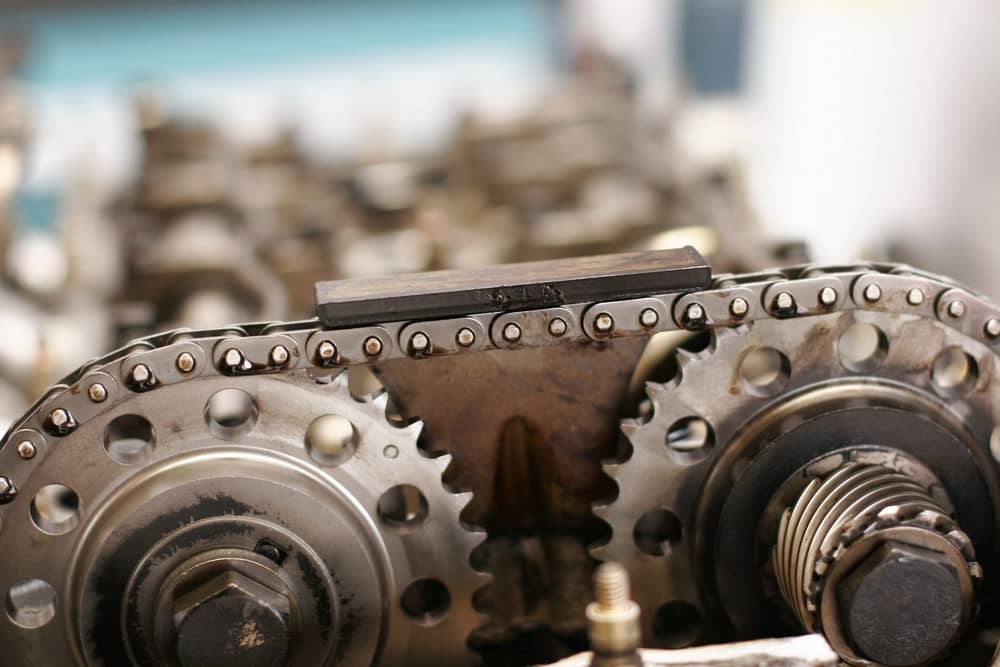
A timing cover leak can be a frustrating issue for any car owner or DIY mechanic. Not only can it cause oil loss, but it can also lead to poor engine lubrication, contamination of the timing system, and, if ignored, potentially expensive damage. One of the most effective ways to stop these leaks—especially minor ones—is using the right sealant in combination with a new gasket or as a temporary repair.
In this article, we’ll cover the best sealants for fixing timing cover leaks, how to choose the right one, and tips for proper application.
Why Use a Sealant for Timing Cover Leaks?
The timing cover sits at the front of the engine and seals in critical components like the timing chain or timing belt, gears, and often the crankshaft front seal. When the timing cover gasket fails—or the surface becomes warped—a sealant helps:
- Fill small gaps and imperfections
- Enhance gasket sealing
- Prevent oil seepage
- Improve long-term reliability
Keep in mind: Sealants are most effective when used with a new gasket or as part of proper repair. In severe leaks or warped timing covers, replacement—not just sealant—is usually the long‑term solution.
Top Sealants for Fixing Timing Cover Leaks
Here are some of the best sealants commonly recommended for automotive timing cover repairs:
🔧 1. RTV Silicone Gasket Maker (High‑Temp)
RTV (Room Temperature Vulcanizing) silicone is one of the most popular sealants for timing cover applications.
Why it’s great:
- Excellent heat resistance
- Flexible once cured
- Bonds well to metal surfaces
- Fills gaps and irregularities
Best for:
- Areas where the gasket alone doesn’t provide a perfect seal
- Surfaces with slight warping or imperfections
👉 Look for products that specify “Gasket Maker — High‑Temp” or “Oil‑Resistant RTV” on the label.
🛠 2. Anaerobic Gasket Sealant
Anaerobic sealants cure only in the absence of air—perfect for tight, confined sealed surfaces like timing covers.
Advantages:
- Excellent for metal‑to‑metal contact areas
- Forms a strong, rigid seal
- Resists oil and heat well
Best for:
- Timing cover areas with little to no gap between parts
- Sealing crankshaft and camshaft bore interfaces
🔩 3. RTV Silicone + Graphite Fillers
Some RTV silicones include graphite or ceramic fillers, increasing durability and heat resistance.
Benefits:
- Enhanced structural strength
- Additional protection against vibration
- Great for engines that run hotter or high‑performance builds
Best for:
- Performance engines
- Older engines with slight surface imperfections
🧰 4. Form‑in‑Place Gasket Sealant (FIPG)
Form‑in‑Place Gasket sealants are liquid compounds designed to make a custom gasket once applied.
Why mechanics like them:
- Creates a perfect custom shape
- Works well with complex surfaces
- Excellent oil and heat resistance
Best for:
- Engines with irregular sealing surfaces
- When reusing the timing cover without a pre‑formed gasket
Choosing the Right Sealant
Here’s how to decide which option is best for your timing cover repair:
🔎 1. Material of Timing Cover
- Metal timing covers: Anaerobic or high‑temp RTV
- Plastic timing covers: Flexible, gasket‑maker RTV that won’t crack
🌡 2. Heat Exposure
Higher heat engines (turbos, V8s) benefit from extra high‑temp RTV with fillers.
🧰 3. Surface Condition
- Smooth surfaces: Anaerobic sealant works great
- Slightly warped or pitted surfaces: RTV with gap‑filling properties
📏 4. Gap Size
- Gaps ≤ 0.005″: Anaerobic sealants
- Gaps > 0.005″: High‑temp RTV or FIPG products
How to Apply Timing Cover Sealant Correctly
Proper application makes all the difference. Follow these general steps:
- Clean the Surfaces
- Remove old gasket material
- Use brake cleaner or solvent to remove oil and debris
- Dry Fit the Cover
- Make sure everything aligns before adding sealant
- Apply Sealant Sparingly
- For RTV: apply a continuous bead
- For anaerobic: apply a thin layer per product instructions
- Let It Cure
- Most RTVs need 30 minutes to skin over and up to 24 hours to fully cure
- Follow manufacturer guidelines
- Reassemble Carefully
- Torque bolts in the correct sequence
- Avoid over‑tightening
When a Sealant Isn’t Enough
Sealants are great for minor leaks and enhancing gasket performance—but they aren’t a cure‑all.
Consider replacing parts if:
- The timing cover itself is warped or cracked
- Oil leaks continue after proper sealing
- The crankshaft front seal is worn
- Timing chain lubrication is compromised
In these cases, replacing the cover, gasket, and potentially the chain/tensioners might be necessary for long‑term reliability.
Final Thoughts
Using the right sealant can make timing cover repairs more effective and long‑lasting. Products like high‑temp RTV silicone, anaerobic gasket sealants, and form‑in‑place gasket makers each have unique strengths depending on your engine and timing cover condition.